Hexagram 47:

kùn exhaustion, oppression; beset, afflicted, tired

By Augustin Chan · Last updated 2025

Upper TrigramLake
Lower TrigramWater

Judgment

kùnexhaustion, oppression; beset, afflicted, tired
hēngfulfillment, satisfaction, success, completion
zhēnand, with persistence, determination, focus
to, for a the mature, complete, full, great
rénhuman being, character, one, person
promise, hope; an opportunity
no; not; without, with no
jiùblame; wrong; a mistake, an error
yǒubut to have, remember; there will be
yánthe, this, these words, talk, theory
is, but not, no; still wants, needs; without
xìnto believe; the, ir assurance, conviction

Oppression. Success. Perseverance. The great man brings about good fortune. No blame. When one has something to say, it is not believed.

Image

the lake, pool, pond, marsh
without, with no; has no; lacks, wants
shuǐwater, flow
kùnexhaustion
jūnnoble, worthy, honored
young one, heir, disciple
accordingly, therefore, thus
zhìinvokes, involves; calls for, upon
mìnga higher order, power, purpose; command
suìto follow through; succeed in, carry out
zhìthe aim, intent(ion), objective; resolve

There is no water in the lake: The image of Exhaustion. Thus the superior man stakes his life on following his will.

Historical Martyrdom
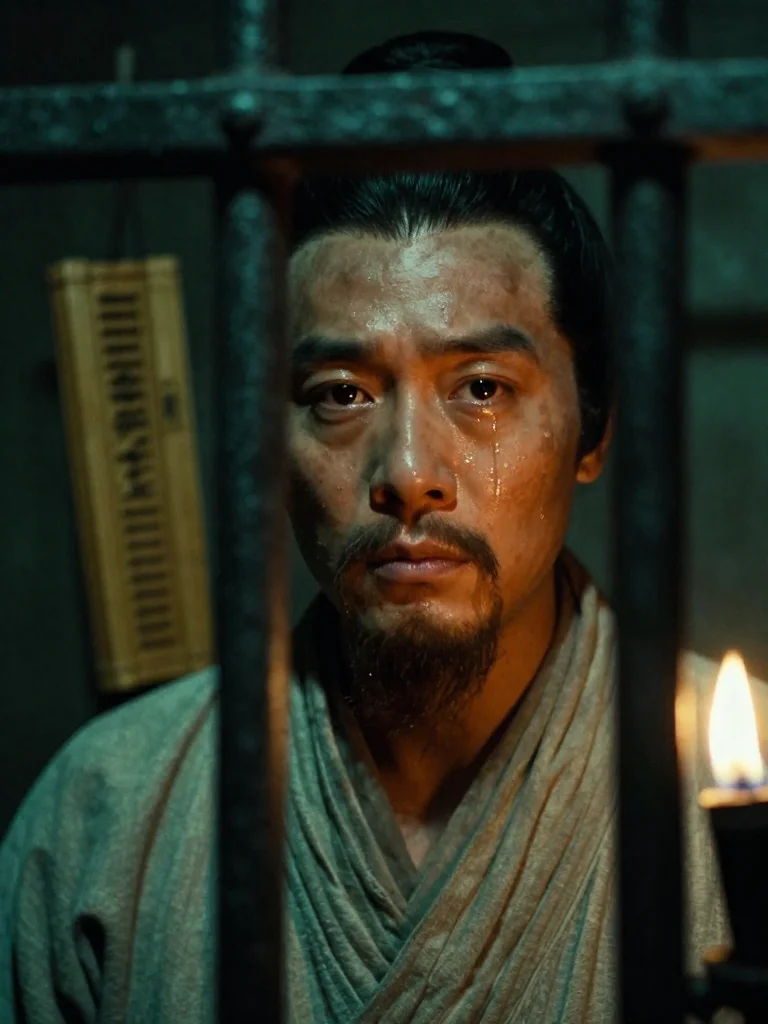
Hexagram 47 digital artifact

Sima Qian's Letter to Ren An

司馬遷 Sima Qian (91 BC)

99 BC. The Han court. Sima Qian, Grand Historian of China, speaks in defense of General Li Ling, who surrendered to the Xiongnu after fighting to the last arrow. Emperor Wu, already suspicious, interprets this as criticism of his own judgment. The sentence: death, or castration. Sima Qian chooses castration. Not from cowardice—suicide was the honorable path, and he knew it. As he would later write: '人固有一死,或重於泰山,或輕於鴻毛'—'Everyone must die; some deaths are weightier than Mount Tai, others lighter than a goose feather.' He judged that dying now, with the Shiji unfinished, would make his death lighter than a feather—meaningless. He chose the 'punishment of rotting wood' because his father's dying wish was to complete the historical records. The Shiji (史記)—130 chapters covering 2,500 years of Chinese history—existed only in draft. If Sima Qian died, the work died with him. In his letter to Ren An, written years later, he describes living as 'a man who has brought shame upon his ancestors.' Lake over Water (☱☵): joy suppressed beneath danger. The surface appears calm—the historian continues his work—but beneath runs the deep current of humiliation that never drains. 'When one has something to say, it is not believed.' He spoke truth; the court heard treason. The great man's good fortune isn't comfort—it's meaning surviving what dignity cannot.

Historical Context

Period
Zhou Dynasty
Oracle Bone Etymology
Lake (☱) above, Water (☵) below—joy exhausted, depth unreachable. The lake has no outlet; the water cannot rise.
Traditional Use
困 (Oppression/Exhaustion) describes circumstances where every action fails. The lake sits over water but cannot access it—resources exist but remain blocked. Wilhelm: 'The superior man stakes his life on following his will.'

Lines

Line 1: 臀困于株木入于幽谷三歲不覿

túnthe, with rump, buttocks, bottom, rear end
kùnbeset, distressed, afflicted, belabored
by, with
zhūcane, stick, rod, staff, branch, stem
of wood; wooden
entering; going
into; inside, through; entering
yōuthe gloomy, dismal, dark; of gloom
valley, depression, rut, hollow; the valley
sānfor three
suìyears, harvests
not; without being; without an
覿seen face to face; a visitor; encounter

Line 2: 困于酒食朱紱方來利用享祀征凶

kùnbeset, oppressed, distressed, afflicted
amidst, at, before; by, with
jiǔwine, drink, spirits, refreshment
shíand food, sustenance, nourishment
zhūthe scarlet, red, vermillion
sashed nobles; sashes, leggings; gentry
fāngsuddenly, directly; with direction(s)
láiarrive, appear; approach, come
worthwhile, rewarding, beneficial
yòngand useful, productive, practical
xiǎngto offer up, present, consecrate, dedicate
the sacrifice + to give up this spirit
zhēnginitiative; to expedite, assert, go boldly
xiōngbut; it, this is not; avoids; less

Line 3: 困于石據于蒺藜入于其宮不見其妻凶

kùnbeset, oppressed, distressed, afflicted
by, with, among, before
shístone, rock
seize; grab, grasp, hold, take, possession
upon, on; at; onto, on to; of
thorns, thistles, caltrops
brambles; and brambles, briars
entering; going
into, inside, within, through(out); entering
his
gōnghouse, home, chambers, dwelling
but not
jiànseeing
his
wife
xiōngunfortunate, lucky, happy; disappointing

Line 4: 來徐徐困于金車吝有終

láiapproaching, coming, arriving
slowly; haltingly, hesitantly, carefully
so slowly; and gravely
kùnbeset, oppressed, distressed, afflicted
in, inside, within
jīnmetal, gilded, bronze, an expensive
chēchariot, carriage
lìnbut the, this embarrassment, humiliation
yǒuhas; will have, attain, find
zhōngan end, outcome, conclusion, limit, finale

Line 5: 劓刖困于赤紱乃徐有說利用祭祀

nose cut off; noseless
yuèand feet cut off; footless; defeated
kùnbeset, oppressed, distressed, afflicted
by, amidst, among, with
chìthe blush, carnation, pink, rouge
sashed ministers; sashes, leggings
nǎiand only then, but then; although, however
slowly, gradually, carefully
yǒugetting, attaining, finding, claiming, learning
shuōrelief, release, freedom, abandon, escape
worthwhile, rewarding, beneficial
yòngand useful, productive, practical
to give, offer up; worship; sacrifice
and a, the this big, generous sacrifice

Line 6: 困于葛藟于臲卼曰動悔有悔征吉

kùnbeset, oppressed, distressed, afflicted
by, with, among, amidst
creeping, creepy; creepers, crawlers, kudzu
lěiand vines, lianas
proceeding, going in, with
nièunsteadiliness; feebly, unstably, unevenly
and awkwardly(ness); uncomfortably
yuēand, while saying, uttering, speaking
dòngthat action, activity, movement, excitement
huǐis, means, brings regret(s), remorse
yǒuto have, take, claim, earn, assume, presume, own
huǐthe regret(s), remorse
zhēngand expedite, press on, go boldly forward
is promising, auspicious, opportune, timely

Practical Guidance

You're trapped, and action won't fix it. Maybe it's the job where your contributions get credited to others. Maybe it's the relationship where you've explained the same thing a hundred ways and still aren't heard. Maybe it's the system that's rigged against you in ways you can prove but no one will acknowledge. You have resources—talent, evidence, legitimate grievance—but no channel to make them matter. The lake sits over water and stays dry. Sima Qian faced this calculus at its most extreme. He spoke truth to power—defended a general who'd fought honorably before surrendering—and the court heard only disloyalty. The sentence was death or castration. Death was the honorable choice. Every scholar of his era knew this. His own writings confirm he knew this. He chose castration. Not because he feared death, but because dying meant the Shiji died with him. His father's life work. Twenty-five hundred years of Chinese history, existing only in draft scrolls that no one else could complete. The 'punishment of rotting wood' bought him time to finish what mattered more than his dignity. Here's the pattern: 困 isn't about finding the exit. There is no exit. It's about what you protect while the walls hold. Sima Qian couldn't clear his name, couldn't restore his honor, couldn't make the emperor hear truth. But he could finish the book. The constraint was absolute; the choice within the constraint was his. 'The great man brings about good fortune' reads like mockery in this hexagram—until you understand what 'good fortune' means here. Not comfort. Not vindication. Not the world finally recognizing your worth. It means: the thing that matters most survives. Sima Qian lived another decade in shame. The Shiji has survived twenty-two centuries. Here's what people miss: they keep trying to solve the oppression instead of working within it. They spend their energy proving they're right, demanding acknowledgment, fighting walls that won't move. The lake keeps trying to reach the water through force when force isn't the mechanism. Meanwhile the actual work—the thing that would outlast the trap—sits unfinished. 'When one has something to say, it is not believed.' This is the specific cruelty of 困. You're not wrong. You're just unheard. And no amount of being right will make them listen. Sima Qian's defense of Li Ling was accurate; modern historians agree. It didn't matter. The court had already decided. The question isn't whether you can escape the constraint. You probably can't—not now, not through direct action. The question is: what's your Shiji? What survives if you stop fighting the walls and start working within them? The superior man 'stakes his life on following his will'—not on winning the argument, not on being vindicated, but on completing what only he can complete. Sima Qian's name means nothing in the Han court's records. It means everything in ours.

Transformations

When changing lines appear in a reading, this hexagram can transform into another.

Get an interactive reading with this hexagram

Try the Oracle →