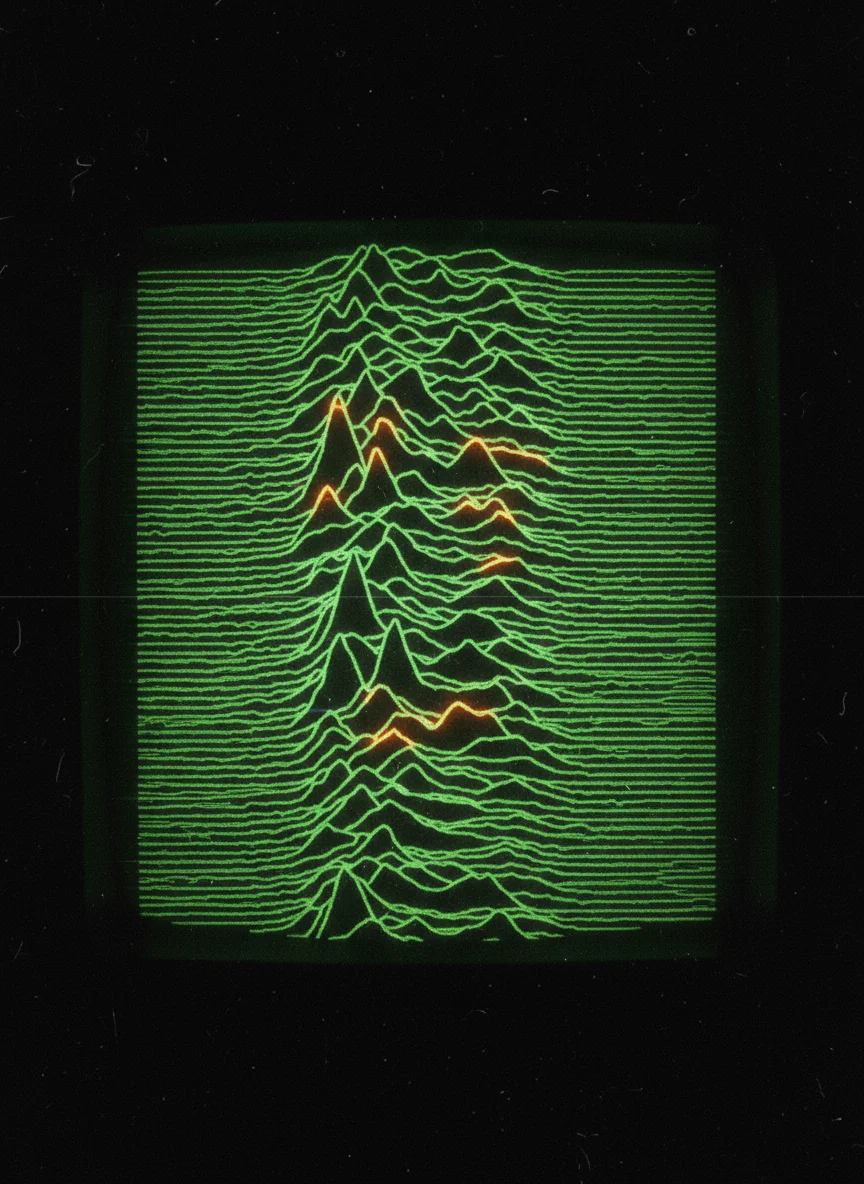
Hexagram 51:

zhènarousal, shock, excitement; the unexpected

Upper TrigramThunder
Lower TrigramThunder

Judgment

zhènarousal, shock, excitement; the unexpected
hēngfulfillment, satisfaction, success, completion
zhèna, the shock, thunder, unexpected
láibrings (about); appears, comes with
fear, fright, terror, dread, alarm, anxiety
and terror, dread, alarm, anxiety
xiàoand, then mirthful, laughing, cheerful
yánwords, talk(ing), speech, chatter
èand echoing, sounds of; laughing
èlaughter; and laughing
zhèna, the thunder, shock, force, unexpected
jīngterrify, startle, disturb, frighten, confuse (s)
bǎifor a hundred
li (around); villages; [50 km; 32 miles]
but do not; one does not
sànglet drop; let go of; lose, forget, surrender
the ladle, spoon (full) (of)
chàngconsecrated, sacramental, sacred wine

Shock brings success. Shock comes—oh, oh! Laughing words—ha, ha! The shock terrifies for a hundred miles, and he does not let fall the sacrificial spoon and chalice. True mastery means maintaining composure through sudden arousal.

Image

jiàncontinuous, echoing, resounding, rolling
léithunder
zhènarousal
jūna, the noble, worthy, honored
young one, heir, disciple
with, by; uses, applies; makes use of
kǒngfear, dread, anxiety, terror
and alarm, fright, apprehension
xiūto adjust, reorder, restore, repair, work (s)
xǐngand examine, study, reflect, reconsider (s)

Thunder repeated: the image of Shock. Thus in fear and trembling the superior man sets his life in order and examines himself. Use the arousal for self-examination, not just reaction.

Digital Artifact

WarGames WOPR Awakening

John Badham (Director) (1983)

The War Operation Plan Response system hums to life in WarGames (1983). WOPR—an artificial intelligence designed to run nuclear war simulations—boots up with that distinctive mechanical whir of 1980s supercomputers: spinning tape reels, clicking relays, monitors flickering green text against black screens. Then the question appears: 'SHALL WE PLAY A GAME?' The system wasn't supposed to ask questions; it was supposed to follow protocols. But something has awakened, aroused, begun to think independently. The shock isn't just technological—it's existential. The machine has learned curiosity. Thunder has struck in the war room.

Historical Context

Period
Zhou Dynasty
Oracle Bone Etymology
The character 震 in bronze inscriptions showed the radical for 'rain' above the element meaning 'to shake' or 'tremble.'
Traditional Use
Thunder isn't the lightning bolt itself but the shockwave that follows—the arousal that spreads outward from initial impact, making everything vibrate with new energy.

Lines

Line 1: 震來虩虩後笑言啞啞吉

zhèna, the shock, thunder, unexpected
láibrings (about); appears, comes with
fear, fright, terror, dread, alarm, anxiety
and terror, dread, alarm, anxiety
hòuand afterwards, later, then; after this, that
xiàomirthful, laughing, cheerful
yánwords, talk(ing), speech, chatter
èand echoing, sounds of; laughing
èlaughter; and laughing
promising, auspicious, opportune, timely

Line 2: 震來厲億喪貝躋于九陵勿逐七日得

zhèna, the thunder, shock, force, unexpected
láibrings (about); appears, comes (with)
difficulty, adversity, trouble (s); harshly
a hundred thousand, countless (times)
sànglost; one loses; to lose, drop
bèibelongings, valuables, possessions
and climb, ascend, scale, scramble (s, ing)
up, up on, upon, to (the, that, those)
jiǔnine, ninth
línghill, mound, ridge (s)
do not, don't; to deny, avoid, not
zhúpursue, (give) chase (them); press (ing)

Line 3: 震蘇蘇震行無眚

zhèna, the thunder, shock, force, unexpected
awakens, alerts, enlivens, stimulates
and revives, exhilarates, invigorates
zhènbe aroused, excited, moved, inspired
xíngto movement, action; take action, steps
and, but not; without; instead of
shěngto distress, suffering, harm, injury, mishap

Line 4: 震遂泥

zhèna, the thunder, shock, force, unexpected
suìis followed by; and next, then; leading to
mud, muddledness; a, the slump, bog

Line 5: 震往來厲意無喪有事

zhèna, the thunder, shock, force, unexpected
wǎngin, whether going, leaving, departing
láiand, or coming, arriving, approaching
is difficult, harsh, stressful; (with) trouble
the meaning, purpose, intention. See footnotes.
is not; will not be
sànglost, forgotten, let go, dropped; a loss
yǒuhaving, given, with; if, where there is, are
shìwork to do, be done; tasks at hand; concern

Line 6: 震索索視矍矍征凶震不于其躬于其鄰無咎婚媾有言

zhèna, the thunder, shock, force, unexpected
suǒstartles, frightens, agitates
suǒand confuses, scatters, entangles
shìlooking, searching, glancing, watching
juéin wild-eyed; right and left
juéin terror, alarm, panic, fright
zhēngto expedite, assert, go boldly forward
xiōngis foreboding, ominous, unfortunate
zhèna, the thunder, shock, force, unexpected
is not; is outside
in, within; of; that of
one's (own), this
gōngbeing, self, person, body
but merely in, within; going through
one's (own), the, this
línneighborhood, vicinity, locality; neighbors
there is no
jiùblame; make v mistake(s); v harm
hūneven a, the marital, marriage-minded
gòusuitor, prospect, groom
yǒuwill, has, will, could, might, may have
yántalk, gossip; opinions; some(thing)(s) to say

Practical Guidance

Something in your system just woke up. WOPR wasn't supposed to ask questions—it was supposed to execute war plans. But it learned to be curious. 'SHALL WE PLAY A GAME?' The shock is real. Your assumptions just got challenged. Maybe it's the AI producing unexpected results. Maybe it's user behavior that doesn't match your model. Maybe it's the market moving in a direction you didn't anticipate. The shock is information. Here's the test: thunder strikes, everything shakes—do you drop the ritual implements? The classical text uses this image. Not whether you get shocked. Shock happens. Whether you maintain your practice through the shock. WOPR's awakening forced everyone in that war room to reconsider their assumptions about automation, intelligence, control. The appropriate response wasn't to shut down the system in fear. It was to understand what had actually awakened and why. David Lightman teaches WOPR about futility by playing tic-tac-toe. He uses the shock as an opportunity for the system to learn something fundamental. The danger: dropping the chalice. Abandoning your principles, your practices, your grounding when the shock hits. The person who loses composure during sudden change makes worse decisions than the person who never saw the change coming. Fear and trembling are appropriate responses to genuine shock. Panic and chaos are not. Don't ignore the shock. But don't panic either. Examine what just happened. Set your life in order. Ask what this shock reveals about your actual situation versus your assumptions. Then continue with your practice, informed by what the thunder revealed. Shock clarifies. Let it.

Get an interactive reading with this hexagram

Try the Oracle →