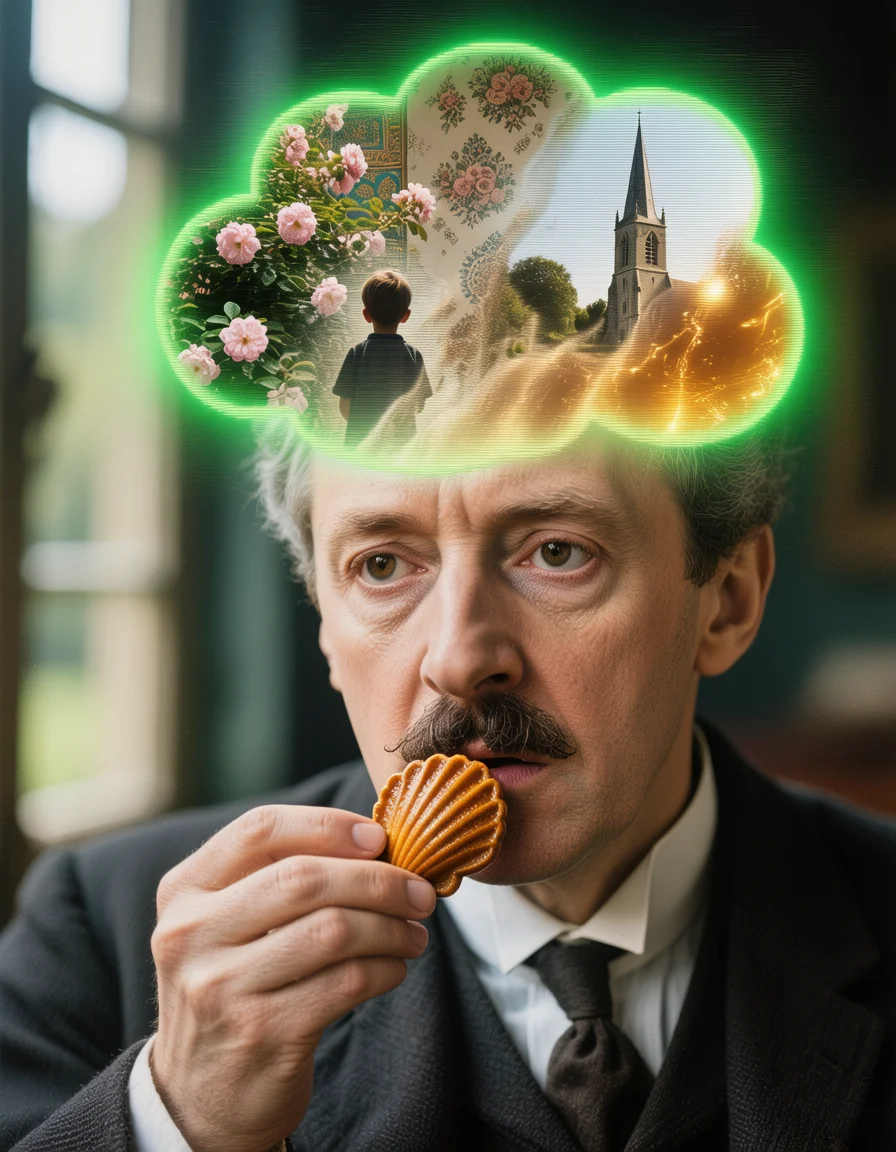
Hexagram 24:

returning, resuming, renewal, coming back

Upper TrigramEarth
Lower TrigramThunder

Judgment

returning, resuming, renewal, coming back
hēngfulfillment, satisfaction, success, completion
chūexit, depart, go(ing) out
(and, or) enter, arrive, come(ing) in
without, with no, have(ing) no, regardless of
anxiety, affliction, distress; urgency, haste
péng(a, the) companion, friend, ally, associate(s)
láiarrive, come (forward), approach, appear
without, with no; (and) nothing
jiùblame, fail(ure); (is) wrong
fǎnturn, come(ing) around; reversal, revision(s)
(and, to) return; renewal; come(ing) back
(is, to, for) the, one's (own)
dàoway, course, path, process, principle, truth
(on) (the) seventh
day
láibrings (about), prompts, invites; comes
return, renewal, recovery
worth(while), reward(ing), benefit(icial)
yǒu(to) have, find, take(ing) on; (if) there is
yōusomewhere; (a) place, direction, purpose
wǎngto go, move towards; in going; ahead

Return. Success. Going out and coming in without error. Friends come without blame. To and fro goes the way. On the seventh day comes return. Movement is cyclic; everything comes at appointed time. No need to force.

Image

léi(the) thunder
zàiis, dwells, lives, resides, lies
(the) earth, ground, land
zhōnginside, within, in the midst of
(to) return
xiānthe ancient, early, original, former [founding]
wángsovereigns, kings, rulers, [fathers]
accordingly, therefore, thus
zhì(the) (winter) solstice (most extreme day)
(on) (the) day (of)
closed, shut, locked, barred, blocked (up)
guān(the) frontier(,) pass gates
shāng(the) merchants, traders, dealers
(and) (the) travelers, wanderers, strangers
did, could, would not
xíngmove, go, travel, wander (about); proceed
hòurulers, sovereigns, leaders
did, would not
xǐngstudy, examine, inspect, visit
fāng(the) quarters, regions, domains, boundaries

Thunder within the earth: the image of the Turning Point. Thus the kings of antiquity closed the passes at the time of solstice. Merchants and strangers did not go about, and the ruler did not travel through the provinces. Rest at the beginning allows energy to strengthen rather than dissipate.

Digital Artifact

Tim Berners-Lee's WorldWideWeb Browser

Tim Berners-Lee (1990)

Christmas Day 1990, CERN: Tim Berners-Lee successfully tests the first web browser communicating with the first web server. This is hexagram 24—the turning point. After years of fragmented networks, proprietary systems, information silos (darkness, yin lines pushing light upward and out), one light line enters from below. HTTP, HTML, URLs: simple protocols enabling universal information access. The powerful light that had been banished returns. Movement—but not through force. K'un (devotion, receptivity) characterizes the upper trigram; the movement is natural, arising spontaneously from the time's readiness. Berners-Lee didn't mandate adoption; he created the standard and released it freely. To and fro goes the way. On the seventh day comes return. The winter solstice (December 25, symbolically) brings victory of light. Within three years, the web exploded. But here's what matters: Berners-Lee understood that return requires rest and care at the beginning. He didn't commercialize immediately. He advocated for open standards, universal access. The return of connectivity after fragmentation—this required tender treatment so it would flower rather than wither.

Historical Context

Period
Zhou Dynasty
Oracle Bone Etymology
Thunder (☳) sits below, Earth (☷) sits above—thunder within the earth, energy renewing underground.
Traditional Use
The classical text describes the turning point when after dark lines push light upward, another light line enters from below. Linked to eleventh month (December-January), the winter solstice when light begins ascending again.

Lines

Line 1: 不遠復無祇悔元吉

(it is) not (being); no
yuǎnfar; (a) distant; far (away, removed) from
(to) return(ing); renewal, recovery
(there is) nothing; (with) no, without
zhīworthy (of); respectable; need for
huǐregret(s); remorse, contrition; repenting
yuánmost, supremely; excellent, outstanding
promising, fortunate; promise, opportunity

Line 2: 休復吉

xiū(be) content, resigned; happy, glad, quiet(ly)
to return, come(ing) back, home; for renewal
promising, auspicious, timely, hopeful

Line 3: 頻復厲無咎

pínrepeated, frequent(ly); insistent, pressing
return(s, ing), renewal, recovery
difficult(y), hard, harsh, troublesome; a grind
(but) no; not; nothing; no (is) done
jiùblame; (is) wrong; (a) mistake(s); harm

Line 4: 中行獨復

zhōngbalanced (in); in the middle; mid/half(way)
xíngaction, conduct; go, walk(ing)
(all) alone, solitary, separate, by oneself
(to, in) return(ing); renewal, recovery

Line 5: 敦復無悔

dūnhonest, authentic, genuine, earnest(ly)
return(ing), coming back; renewal, recovery
no; without, with no; regardless of
huǐregret(s), remorse, repentance

Line 6: 迷復凶有災眚用行師終有大敗以其國君凶至于十年不克征

(a, too) lost, missed, confused, deluded
(to) return, come back; renewal, recovery
xiōngunfortunate, ominous; misfortune, failure
yǒuthere is, will be; one has, will have
zāicalamity, disaster, misery, suffering
shěng(and) injury, grave error, blunder(s); suffering
yòng(if, where, when) used, applied; trying
xíngto move, advance, march, conduct, deploy
shī(a, an, the) militia, army, military; militarily
zhōng(then) in the end, eventually, ultimately
yǒuthere will be; one will have
(a) great, major, complete, crucial
bàidefeat, destruction, ruin, failure
for, (extending) to; reaching (both); visiting
one's (own)
guódomain, country, state, territory
jūn(and) (its) nobility, leaders, sovereign(ty)
xiōng(with) misfortune, adversity, failure, misery
zhìeven; reaching, extending; as long, much
in, for, after; across, over; as
shíten
niányears, harvests
without, with no; no; not; (of) in-, un-
ability; able, capable, competent
zhēng(to, of) campaign, go boldly, advance(ing)

Practical Guidance

The worst is over. You can feel it. Whatever was declining has hit bottom and is starting to reverse. Health returning after illness, understanding after estrangement, momentum after stagnation. This is fragile. Handle carefully. Here's what the text knows about reinforcement through rest: the moment things start improving, your instinct in hustle culture is to pour energy into them, capitalize on the reversal, scale up immediately. Wrong. The return is just beginning. Thunder is still underground. Movement must be strengthened by rest or it dissipates before it accomplishes anything. The seven-day cycle maps to actual project experience: one sprint, one week, one complete revolution of work-rest. Everything in six stages, the seventh brings return. Problems cycle, energy cycles, progress isn't linear. If you're aware of this pattern, you stop panicking during the down-swing and stop over-committing during the up-swing. The lines show different qualities of return. Line one: caught yourself early, just slight digression, turn back before it goes far. Good. Line two: you have inner strength, good company, everything serves to further. Line three: dangerous instability, constantly reversing, but haven't habituated to evil yet—there's still time. Line four: you're in bad company but connected spiritually to good influences. Return alone. Line five: noblehearted self-examination, no excuses. Line six: missed the moment entirely. Blind obstinacy. Misfortune from within and without. Here's the key insight: return is natural, but you can miss it. If you're not paying attention to cycles, if you're obstinate about your current direction, if you refuse to acknowledge when the turn happens—you'll find yourself still declining while everyone else is ascending. Don't be line six. Be line one or two: aware, responsive, moving with natural patterns rather than fighting them. Treat the beginning tenderly. Rest. Don't force. Let the return flower.

Get an interactive reading with this hexagram

Try the Oracle →