Upper Trigram山(艮)
Lower Trigram水(坎)
Judgment
蒙ménginexperience, immaturity, untrained vines
亨hēngfulfillment, satisfaction, success, completion
匪fěiit, this is not
我wǒI, me; we, us
求qiúwho ask, seeks, soliciting
童tóngyoung, youthful, naive, childlike
蒙ménginexperienced, untaught, uninformed
童tóngyoung, youthful, naive, childlike
蒙ménginexperienced, untaught, uninformed
求qiúask, seek after, solicit, entreat, ask from
我wǒme, us
初chūat, in, during the first, initial, original
筮shìdivining, consultation, oracle, inquiry
告gàoadvice, an explanation; informs, explains
再zàito ask two, twice; again; the second
三sānor, and three times; third time is, shows
瀆dúdisrespectful; impertinence, contempt
瀆dúdisrespect, impertinence, contempt; rudeness
則zéwarrants, deserves, merits; is due
不bùno, not much
告gàoadvice, explanations, information, answer
利lìbut it is worthwhile, rewarding, beneficial
貞zhēnto be persistent, loyal, dedicated, steadfast
蒙:亨。匪我求童蒙,童蒙求我。初筮告,再三瀆,瀆則不告。利貞。
Image
山shānmountain
下xiàbelow, beneath, at the base, foot of
出chūthere emerges, appears, arises; out comes
泉quánspring, fountain
蒙ménginexperience
君jūnnoble, worthy, honored
子zǐyoung one, heir, disciple
以yǐaccordingly, therefore, thus
果guǒwith thoroughness; to fruition, maturity
行xíngproceeds, advances, takes steps, sets forth
育yùin, by fostering, nourishing, developing
德décharacter, merit, virtue, quality, ability, nature
山下出泉,蒙。君子以果行育德。
歷史刺殺(Historical Assassination)
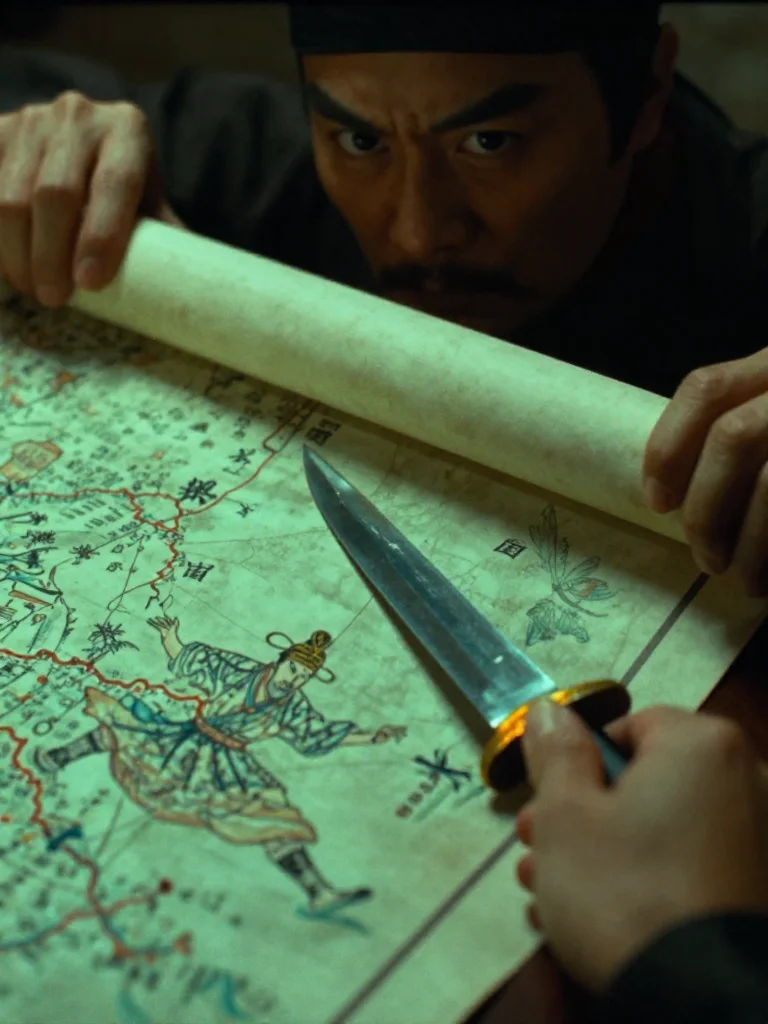
荊軻圖窮匕見
荊軻 (公元前227年)
公元前227年。秦宮。一個來自燕國嘅刺客喺秦王面前展開地圖——呢幅圖顯示燕國將會割讓嘅領土。藏喺入面嘅:一把淬毒嘅匕首。呢一刻嘅成語:『圖窮匕見』——地圖展開到盡頭,匕首就露出嚟。 荊軻扯住秦王嘅衫袖就刺。袖撕裂咗。秦王走佬,繞住銅柱走,拼命想拔佢條太長嘅禮劍。御醫夏無且擲出佢嘅藥袋拖慢刺客。最後秦王從背後拔出劍,斬中荊軻大髀,再連刺八刀。 臨死,荊軻箕踞而坐——喺當時係極大嘅侮辱——用盡最後一口氣辱罵秦王。據《史記》記載,出發前佢喺易水邊唱:『風蕭蕭兮易水寒,壯士一去兮不復還。』佢知嘅。佢照去。 呢個就係『蒙』:唔係蠢,而係年輕人對抗系統嘅愚勇。一把匕首阻唔到統一。呢次嘗試反而加速咗燕國嘅滅亡。
Historical Context
- Period
- 周代
- Oracle Bone Etymology
- 山(☶)在上,水(☵)在下——山腳嘅泉水,未清但求索中。
- Traditional Use
- 『蒙』講嘅係山泉——水從幽暗中湧出,未係清。Wilhelm話:『此卦描繪年輕人嘅愚昧。年輕嘅愚者求師,唔係師求愚者。』學生要帶住問題嚟;智慧冇得強塞。
- Character Analysis
- 『蒙』字形係草木遮蔽視野——意思係『覆蓋』、『無知』、『天真』。唔係貶義:泉水終會變清。呢個狀態係暫時嘅。問題係:天真嘅人會喺清醒之前定之後行動?
- Energy State
- 水從山底湧出——能量從靜止中浮現,尋覓但未搵到出路。山喺上表示阻礙;水喺下表示潛力。組合起嚟:初生之力撞上不可動搖嘅結構。
- Trigram Symbolism
- ☶ 山(上)— 靜止、阻礙、不可動搖 ☵ 水(下)— 險、流動、深淵 水喺山腳——要嘛搵到出路,要嘛積喺岩石邊。呢個係年輕人面對比自己大得多嘅系統嘅形象。
Sources
- Jing Ke - Wikipedia
- Commemorating a Failed Assassin: The Making of the Jing Ke Lore in Early China - Cambridge Core
- The Contingency of China's Imperial Unity: Assassins Attack the First King of Qin - Association for Asian Studies
- Tao Yuanming: Chant For Jing Ke - LAC Poetry
- Analysis of a Classic Chinese Poem: 咏荆轲 - Hanzi Explorer
Lines
Line 1: 發蒙利用刑人用說桎梏以往吝
發fāeducating
蒙méngthe inexperienced
利lìworthwhile
用yòngand useful
刑xíngto sanction
人rénanother
用yòngif used
說shuōto remove
桎zhìshackles
梏gùhandcuffs
以yǐbut for this
往wǎngto continue
吝lìndisgrace
Line 2: 包蒙吉納婦吉子克家
包bāoincluding
蒙méngthe inexperienced
吉jípromising
納nàaccepting
婦fùwoman
吉jípromising
子zǐyoung one
克kècan manage
家jiāfamily
Line 3: 勿用取女見金夫不有躬無攸利
勿wùit is not at all
用yònguseful
取qǔto pair
女nǚmaiden
見jiànwho sees
金jīnof
夫fūgentleman
不bùand does not
有yǒuown
躬gōngher
無wúthis is no
攸yōudirection
利lìwith merit
Line 4: 困蒙吝
困kùnsurrounded
蒙méngimmaturity
吝lìnembarrassment
Line 5: 童蒙吉
童tóngyoung
蒙ménginexperienced
吉jípromising
Line 6: 擊蒙不利為寇利禦寇
擊jīstriking
蒙ménginexperience
不bùnot
利lìworthwhile
為wéito be
寇kòuassailant
利lìworthwhile
禦yùto defend against
寇kòuassailant
Practical Guidance
你就嚟做一件勇敢但可能徒勞嘅事。
可能係對抗一個已經做咗決定嘅系統。可能係向早已心意已決嘅委員會做presentation。可能係寫封信俾一個處理過萬封信但乜都唔會改變嘅機構。你知道勝算。你計過數。數話你唔好煩。
荊軻都計過數。一個刺客。一把匕首。一次機會去改變成個文明嘅軌跡。秦王已經滅咗六國。燕國係下一個。統一中國唔係可能性——係時間表。而荊軻自願用一把藏喺地圖入面嘅刀去打斷佢。
呢個卦唔係話佢蠢。『蒙』意思係『覆蓋』——視野被遮蔽,好似一道未清嘅泉水。『蒙』係未知嘅狀態,係喺睇清全貌之前行動。山腳嘅泉水:有能量但冇出路嘅水,壓住唔會動嘅石頭。
呢個卦捕捉到嘅係:個人意志同系統慣性之間嘅不對稱。荊軻好有技術。匕首淬咗毒。藏喺地圖入面好聰明。但全部都唔緊要,因為秦王唔係個系統——佢只係系統嘅當前呈現。殺咗佢,另一個呈現會出現。統一有結構性嘅必然性,任何單一干預都逆轉唔到。
呢個唔係反對行動嘅論點。係要你理解你目標嘅本質。《彖》話:『初筮告,再三瀆,瀆則不告。』問一次,聽答案。如果現實話你結構唔會讓步,再問唔會改變結構——只係暴露你聽唔到。
荊軻聽到咗。佢照去。『壯士一去兮不復還。』佢揀咗嘗試而唔係計算。呢個係高尚定浪費,取決於你覺得意義係用嚟做乜。
你嘅版本細啲但結構一樣。你面對嘅系統——組織架構、市場、委員會、演算法——有獨立於任何個人嘅慣性。你嘅干預可能時機完美、執行完美,然後被完美吸收而毫無效果。泉水壓住山。山唔會留意到。
『蒙』問嘅唔係『我應唔應該試?』問嘅係:『我理唔理解我對抗嘅係乜?』荊軻理解。佢嘅愚唔係無知——係清楚勝算但拒絕讓勝算決定行動。呢個係選擇,唔係錯誤。
有時勇敢係收起把匕首。有時係展開地圖,明知接住落嚟會發生乜事。『蒙』唔會話你邊個先啱。佢話你要知自己係咩樣嘅泉水,同你面對嘅係咩樣嘅山。
Transformations
When changing lines appear in a reading, this hexagram can transform into another.
Get an interactive reading with this hexagram
Try the Oracle →