Upper Trigram離(火)
Lower Trigram兌(澤)
Judgment
睽kuíestrangement, divergence, polarization; odd
小xiǎo(in) little, small, minor, ordinary, common
事shìmatters, concerns, affairs, endeavors (are)
吉jípromising, auspicious, opportune, timely
睽。小事吉。——人生活喺對立同疏遠中,佢哋無法共同進行大事業,但喺小事上仍然可以期望成功。對立唔排除所有協議。
Image
上shàng(up) above; rises
火huǒ(is) (a, the) fire, flame; (the) fire, flame
下xià(and, while) (down) below; descends
澤zé(is) (a, the) lake, pool, pond, marsh
睽kuíestrangement
君jūn(a, the) noble, worthy, honored
子zǐyoung one, heir, disciple
以yǐaccordingly, therefore, thus
同tóngassociate, join, converge, concur, affiliate
而érbut (still), (and) yet (is also)
異yì(is) unique, separate, different, (a) strange(r)
上火,下澤。君子以同而異。——君子喺所有交往中保留其個性。有修養嘅人永遠唔會透過與其他類型嘅人交往而被引入卑下。
Fremen Ritual Combat
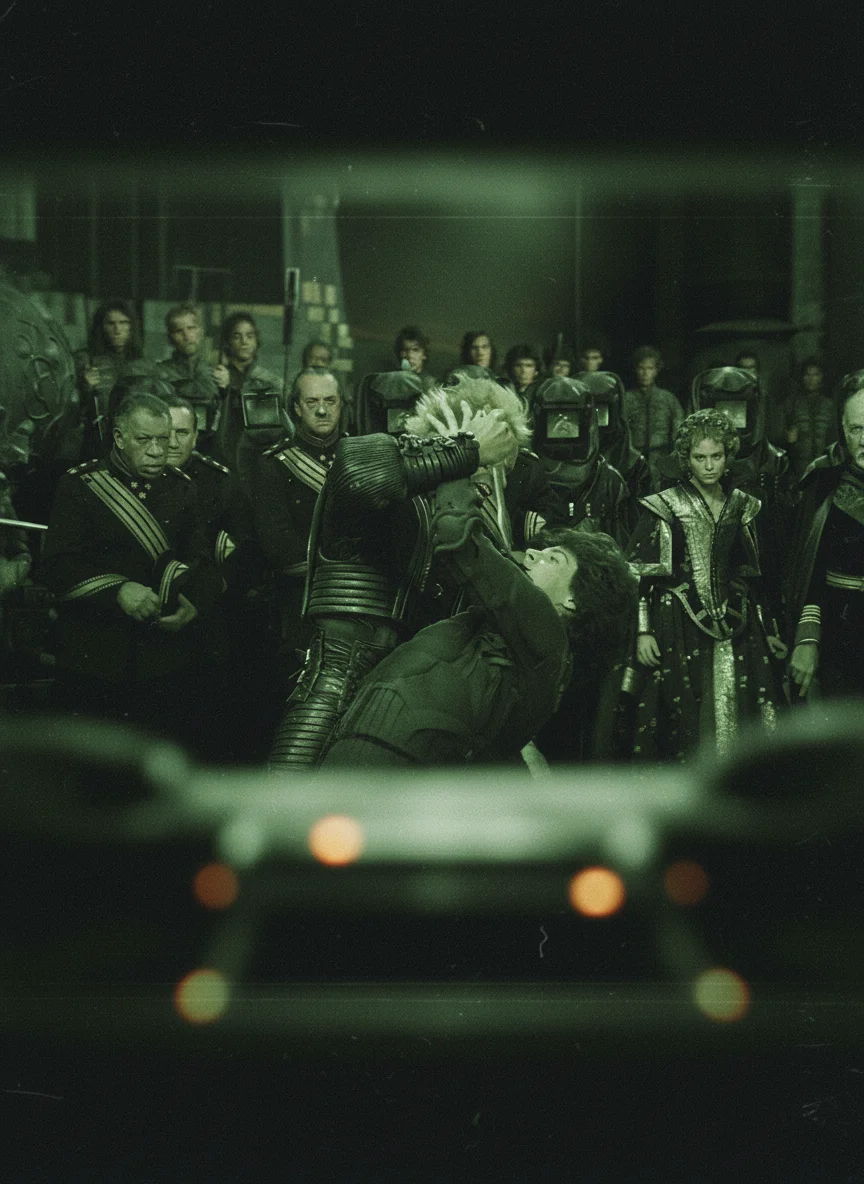
Dune:Paul 對 Feyd-Rautha — 刀戰
Frank Herbert (1965)
帝皇嘅議政廳,Arrakis,Frank Herbert 1965年《Dune》嘅高潮。兩個人,兩把水晶刀,兩種無法調和嘅哲學喺儀式戰鬥中體現。Paul Atreides——受 Bene Gesserit 訓練、沙漠磨練、為 Fremen 解放而戰——面對 Feyd-Rautha Harkonnen——奴隸鬥場出身嘅劍鬥士、暴政繼承人、為統治而戰。佢哋嘅風格完全對立:Paul 嘅動作源自幾百年武術精煉,睇到前三步,經濟而精準。Feyd 嘅殘暴、直接、喺奴隸死叫嘅競技場學返嚟。護盾戰鬥簡化到本質——慢刃可穿透,快動作會觸發力場。佢哋如對立元素咁打圈。兩大家族、千年血仇、遺傳育種計劃向唔同人類願景分歧,壓縮成兩個人同兩把刀。離上兌下——Paul 嘅燃燒正義上升,Feyd 嘅冷酷施虐反映黑暗。對立唔會調和;佢會解決。Paul 嘅刀透過保持極性搵到 Feyd 心臟,唔係統一。卦象教導:火同水透過對比定義彼此,產生創造性張力,喺小事上產生清晰,而更大嘅對立仍然未解決。
Historical Context
- Period
- 周代
- Oracle Bone Etymology
- 離(☲)在上,兌(☱)在下——附麗騎喺悅上。火焰向上燃燒,水向下滲透。動向直接對比。
- Traditional Use
- Wilhelm 講呢個係意志唔同而分歧嘅人。但喺一個整全嘅整體入面嘅對立發揮有用功能——透過類別實現分化,從而將秩序帶入世界。
- Character Analysis
- Paul 同 Feyd 作為生產性對立:唔同訓練、分歧哲學、透過對比定義彼此嘅戰鬥風格。君子喺致命戰鬥中保留其本質本性。
- Energy State
- 火同水接觸但唔混合——保持差異產生創造性張力。從下讀到上:悅能量喺下,附明喺上,各保其性。
- Trigram Symbolism
- ☲ 離(上)— 附,上升,熱情 ☱ 兌(下)— 悅,下降,反思 透過對比定義彼此嘅元素。
Sources
Lines
Line 1: 悔亡喪馬勿逐自復見惡人無咎
悔huǐregret(s)
亡wángpass
喪sàng(a
馬mǎhorse
勿wùdo not
逐zhú(be) pursue
自zì(and) of
復fù(it) returns
見jiàn(to
惡è(the) evil
人rén(in) people
無wúis not
咎jiùto blame
Line 2: 遇主于巷無咎
遇yùmeeting (with)
主zhǔ(a
于yúin
巷xiàngalley
無wúno
咎jiùblame
Line 3: 見輿曳其牛掣其人天且劓無初有終
見jiànseeing
輿yú(a
曳yì(being) held up
其qíits
牛niúoxen
掣chèhindered
其qíits
人rénoccupant's
天tiānhead shaved (bald to heaven)
且qiěand (even
劓yì(his
無wúregardless of
初chū(a
有yǒu(but) there is
終zhōng(a
Line 4: 睽孤遇元夫交孚厲無咎
睽kuíestranged
孤gū(and) (all) alone
遇yùmeet
元yuán(a
夫fū(gentle)man
交jiāoexchange
孚fú(in
厲lì(the) difficulty
無wú(is) not
咎jiù(a) wrong(ness)
Line 5: 悔亡厥宗噬膚往何咎
悔huǐregret(s)
亡wángpass
厥juéits
宗zōngkind
噬shìeat
膚fū(soft
往wǎng(in) going
何héwhere is
咎jiù(the) blame
Line 6: 睽孤見豕負塗載鬼一車先張之弧後說之弧匪寇婚媾往遇雨則吉
睽kuíestranged
孤gū(and) (all) alone
見jiànseeing
豕shǐ(a) pig
負fùcovered
塗túfilth
載zàihaul
鬼guǐdemons
一yī(and
車chēwagon
先xiān(at) first
張zhāngstretch
之zhīhis
弧hú(long)bow
後hòu(and
說shuōrelaxing
之zhīhis
弧hú(long)bow
匪fěiit
寇kòu(a
婚hūn(but) (a) marital
媾gòusuitor
往wǎngin going
遇yùgreet
雨yǔ(the) rain
則zé(and
吉jípromising
Practical Guidance
你面對緊你嘅對立面。唔係你嘅敵人——係你嘅補充。透過對比定義你嘅嘢。
Paul 同 Feyd 係對立育種計劃嘅產物:Bene Gesserit 向預知覺知,Harkonnen 向殘酷同統治。兩者都係幾世紀發展嘅頂峰。兩者都致命。但佢哋嘅優越性以完全唔同方向表達。火上升,水下沉。兩者都唔係因為係自己而錯。
文本理解嘅:小事對立可以成功,而大事對立唔可以。決鬥——兩個人、兩把刀、清晰規則——容許解決。更大問題(Atreides 對 Harkonnen 哲學、解放對統治)唔會透過決鬥解決。佢只係得到一個暫時結果。
你嘅技術等價物:你喺一個團隊入面有人基本上反對你嘅方法。佢哋寫小心、防禦、過度抽象、處理所有邊緣情況嘅代碼。你寫最少、務實、解決今日問題嘅代碼。你無法喺哲學上調和呢個——你真係相信唔同嘢。嘗試強迫協議會產生怨恨。
但你可以喺特定有界問題上合作。你需要交付一個功能。呢個係競技場。就界面達成協議、劃分責任、喺你嘅領域保持你嘅方法。唔好嘗試轉化佢哋。當你停止撞牆,籬笆就打開。
Paul 用 Bene Gesserit 訓練、Fremen 適應、預知閃光戰鬥。Feyd 使用劍鬥士殘暴、奴隸坑技巧、隱藏毒藥。各保其性。戰鬥變成用鋼鐵表現嘅哲學之間嘅對話。
文本警告唔好將你嘅對手睇成『沾滿污垢嘅豬、滿載魔鬼嘅馬車』。有時睇似對立嘅只係唔同語境相遇。但有時對立係真實同必要嘅。自由無法與奴隸妥協。有啲差異唔會解決——佢哋競爭,然後一個贏。Paul 嘅刀透過保持極性搵到 Feyd 心臟,唔係統一。
君子喺所有交往中保留其個性。與對立面戰鬥澄清你係乜。你嘅火喺水面前燒得更光。當火照亮佢,你嘅水反映得更深。
喺小事——代碼審查、設計討論、特定功能——即使與對立面合作都係可能嘅。保持你嘅基本方法。俾佢哋保持佢哋嘅。喺有清晰成功標準嘅有界競技場入面工作。更大嘅哲學對立產生產出好工作嘅創造性張力。
Paul 贏咗決鬥。哲學之間嘅對立仍然存在。呢個係正確嘅。有啲對立正係透過唔解決產生價值。
Transformations
When changing lines appear in a reading, this hexagram can transform into another.
Get an interactive reading with this hexagram
Try the Oracle →