Hexagram 47: 困
kùn —exhaustion, oppression; beset, afflicted, tired
By Augustin Chan · Last updated 2025
Upper Trigram泽
Lower Trigram水
Judgment
困kùnexhaustion, oppression; beset, afflicted, tired
亨hēngfulfillment, satisfaction, success, completion
貞zhēnand, with persistence, determination, focus
大dàto, for a the mature, complete, full, great
人rénhuman being, character, one, person
吉jípromise, hope; an opportunity
無wúno; not; without, with no
咎jiùblame; wrong; a mistake, an error
有yǒubut to have, remember; there will be
言yánthe, this, these words, talk, theory
不bùis, but not, no; still wants, needs; without
信xìnto believe; the, ir assurance, conviction
困。亨。贞。大人吉。无咎。有言不信。
Image
澤zéthe lake, pool, pond, marsh
無wúwithout, with no; has no; lacks, wants
水shuǐwater, flow
困kùnexhaustion
君jūnnoble, worthy, honored
子zǐyoung one, heir, disciple
以yǐaccordingly, therefore, thus
致zhìinvokes, involves; calls for, upon
命mìnga higher order, power, purpose; command
遂suìto follow through; succeed in, carry out
志zhìthe aim, intent(ion), objective; resolve
泽无水,困。君子以致命遂志。
历史殉道
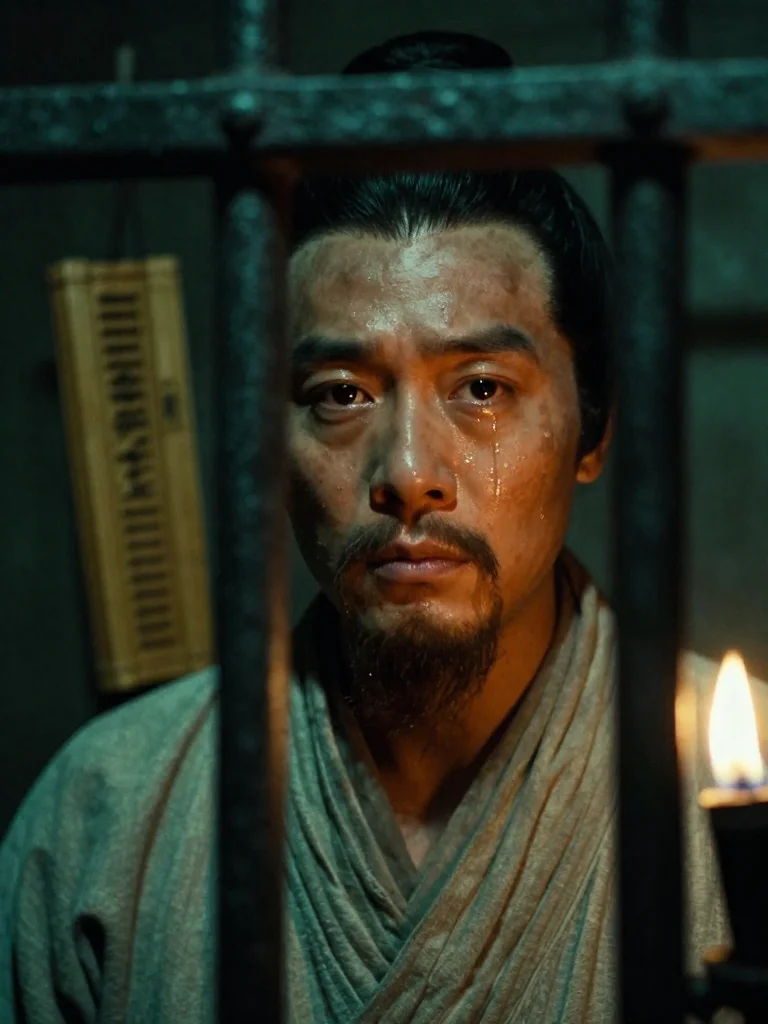
司马迁《报任安书》
司马迁 (公元前91年)
公元前99年。汉廷之上。太史令司马迁为李陵将军辩护——李陵在箭尽粮绝后向匈奴投降。汉武帝本就多疑,将此视为对自己决断的批评。判决:死刑,或宫刑。 司马迁选择了宫刑。并非出于懦弱——自尽才是体面之道,他比任何人都清楚。正如他后来所写:「人固有一死,或重于泰山,或轻于鸿毛。」他判断,若在《史记》未竟之时死去,死便轻于鸿毛——毫无意义。他选择了「腐刑」,因为父亲临终的遗愿是完成史书。《史记》——130篇,跨越2500年中国历史——当时只有草稿。司马迁若死,这部著作也将随之消亡。 在多年后写给任安的信中,他形容自己的生活如同「肠一日而九回」,「居则忽忽若有所亡,出则不知所如往」。泽上水下(☱☵):喜悦压抑于险难之下。表面看似平静——史官继续他的工作——但深处流淌着永不枯竭的羞辱暗流。「有言不信」——他说的是真话,朝廷听到的是叛逆。大人之吉不是安逸——而是意义在尊严无法存续时仍能存续。
Historical Context
- Period
- 周朝
- Oracle Bone Etymology
- 兑(☱)在上,坎(☵)在下——喜悦枯竭,深处不可及。泽无出路;水不能升。
- Traditional Use
- 困(困穷/困顿)描述一切行动皆徒劳的处境。泽在水上却无法汲取——资源存在却被阻断。卫礼贤译:「君子以致命遂志。」
- Character Analysis
- 困(kùn)字形呈木(木)被墙(囗)围困之态——生长受阻,潜能被困。字形本身就描绘着压迫:生命力在场却无法伸展。与穷困、贫乏,以及才能被压制的特殊痛苦相关。
- Energy State
- 下方之水本可滋养,但上方之泽已被封闭。喜悦(泽)居于险难(水)之上,两者之间无通道。能量存在却无法流通——有资源却被阻断的状态。
- Trigram Symbolism
- ☱ 泽(上卦)——喜悦、开放、少女 ☵ 水(下卦)——险难、深渊、中男 喜悦居于险难之上:深渊之上维持的微笑。本应向上补充泽水之物,反而在暗处流失。
Sources
Lines
Line 1: 臀困于株木入于幽谷三歲不覿
臀túnwith rump
困kùnbeset
于yúby
株zhūcane
木mùof wood
入rùentering
于yúinto
幽yōuthe gloomy
谷gǔvalley
三sānfor three
歲suìyears
不bùnot
覿díseen face to face
Line 2: 困于酒食朱紱方來利用享祀征凶
困kùnbeset
于yúamidst
酒jiǔwine
食shíand food
朱zhūthe scarlet
紱fúsashed nobles
方fāngsuddenly
來láiarrive
利lìworthwhile
用yòngand useful
享xiǎngto offer up
祀sìthe sacrifice + to give up this spirit
征zhēnginitiative
凶xiōngbut
Line 3: 困于石據于蒺藜入于其宮不見其妻凶
困kùnbeset
于yúby
石shístone
據jùseize
于yúupon
蒺jíthorns
藜líbrambles
入rùentering
于yúinto
其qíhis
宮gōnghouse
不bùbut not
見jiànseeing
其qíhis
妻qīwife
凶xiōngunfortunate
Line 4: 來徐徐困于金車吝有終
來láiapproaching
徐xúslowly
徐xúso slowly
困kùnbeset
于yúin
金jīnmetal
車chēchariot
吝lìnbut the
有yǒuhas
終zhōngan end
Line 5: 劓刖困于赤紱乃徐有說利用祭祀
劓yìnose cut off
刖yuèand feet cut off
困kùnbeset
于yúby
赤chìthe blush
紱fúsashed ministers
乃nǎiand only then
徐xúslowly
有yǒugetting
說shuōrelief
利lìworthwhile
用yòngand useful
祭jìto give
祀sìand a
Line 6: 困于葛藟于臲卼曰動悔有悔征吉
困kùnbeset
于yúby
葛gécreeping
藟lěiand vines
于yúproceeding
臲nièunsteadiliness
卼wùand awkwardly(ness)
曰yuēand
動dòngthat action
悔huǐis
有yǒuto have
悔huǐthe regret(s)
征zhēngand expedite
吉jíis promising
Practical Guidance
你被困住了,行动无法解决问题。
也许是那份工作,你的贡献被算在别人头上。也许是那段关系,你用一百种方式解释同一件事,仍然没有被听见。也许是那个系统,以你能证明却无人承认的方式针对你。你有资源——才华、证据、正当的不满——却没有渠道让它们发挥作用。泽在水上却依然干涸。
司马迁面对的是这种抉择的极端形式。他向权力说真话——为一位力战至最后一箭才投降的将军辩护——朝廷却只听到了不忠。判决是死刑或宫刑。死亡是体面的选择。他那个时代的每一位士人都知道这一点。他自己的文字证实他也知道这一点。
他选择了宫刑。不是因为他怕死,而是因为他死了,《史记》也会随之消亡。父亲毕生的心血。两千五百年的中国历史,只存在于没有其他人能完成的草稿竹简上。「腐刑」为他换来了完成真正重要之事的时间。
这就是卦象的模式:困不是关于找到出口。没有出口。而是关于在围墙坚守的同时,你保护什么。司马迁无法洗清自己的名誉,无法恢复他的尊严,无法让皇帝听到真相。但他能完成这部书。制约是绝对的;制约之内的选择是他的。
「大人吉」在这一卦中读起来像是嘲讽——直到你理解「吉」在这里意味着什么。不是安逸。不是平反。不是世界终于认可你的价值。它意味着:最重要的东西存活下来。司马迁在耻辱中又活了十年。《史记》存活了二十二个世纪。
人们忽略的是:他们不断试图解决压迫本身,而不是在压迫中工作。他们把精力花在证明自己是对的、要求被承认、撞击不会移动的墙上。泽不断试图用蛮力触及水,而蛮力不是机制。与此同时,真正的工作——那件能超越牢笼存续下去的事——搁置未完。
「有言不信。」这是困的特殊残酷。你没有错。你只是没有被听见。再多的正确也不能让他们倾听。司马迁为李陵的辩护是准确的;现代历史学家同意。这不重要。朝廷已经做出了决定。
问题不是你能否逃脱制约。你可能不能——不是现在,不是通过直接行动。问题是:你的《史记》是什么?如果你停止撞墙,开始在墙内工作,什么能存活下来?君子「以致命遂志」——不是赢得争论,不是得到平反,而是完成只有他能完成的事。
司马迁的名字在汉廷的记录中不值一提。在我们的记录中,它意味着一切。
Transformations
When changing lines appear in a reading, this hexagram can transform into another.
Get an interactive reading with this hexagram
Try the Oracle →