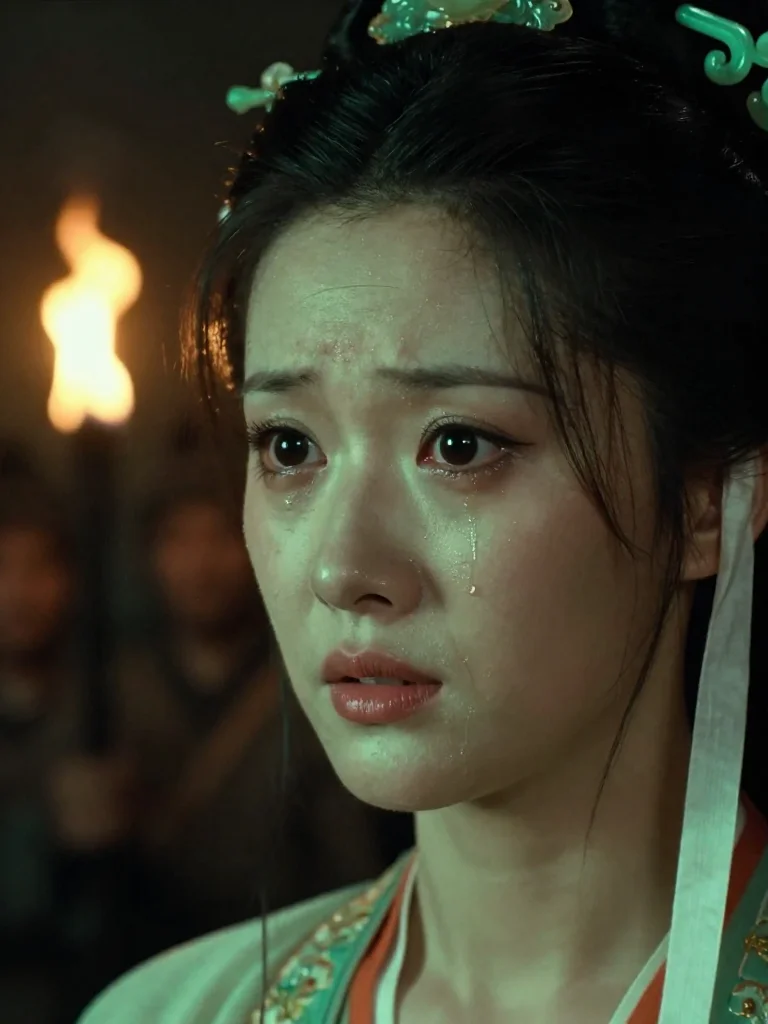
Hexagram 54: 歸妹

guī mèilittle sister's marriage, marrying maiden

Upper TrigramThunder
Lower TrigramLake

Judgment

guīmarriage, betrothal; marrying, engaging
mèilittle sister; the maiden, youngest sister
zhēngto expedite; press, go boldly forward
xiōngis unfortunate, inauspicious; has pitfalls
this is no, not; this lacks, has no
yōua direction, purpose; an aim, orientation
with merit, of value, with rewards

The marrying maiden. Undertakings bring misfortune. Nothing that would further. The secondary position must not attempt to supplant the primary. Maintain tactful reserve. Relationships based on inclination depend on careful behavior.

Image

the lake, pool, pond, marsh
shàngabove, over, atop, across
yǒuis, there is
léithe thunder
guīmarriage
mèilittle sister
jūnthe noble, worthy, honored
young one, heir, disciple
with, through; uses, makes use of, applies
yǒngenduring, lasting, sustained, far reaching
zhōngends, goals, conclusions, outcomes, results
zhīto know, understand, recognize
the unworthy, ephemeral; disintegration

Thunder over the lake: the image of the marrying maiden. Thus the superior man understands the transitory in the light of the eternity of the end. Remain mindful of enduring principles. Don't drift—fix your mind on what lasts.

Digital Artifact

MS-DOS's Relationship with CP/M

Tim Paterson (QDOS/86-DOS) (1981)

In 1980, Seattle Computer Products needed an OS for 8086 boards. CP/M-86 wasn't ready. Tim Paterson wrote QDOS—Quick and Dirty Operating System—explicitly modeled on CP/M but rewritten for 8086. Not the primary wife; the concubine. QDOS knew its place: provide CP/M-like functionality until real CP/M-86 arrived. Then Microsoft bought it, renamed it MS-DOS, licensed it to IBM. Suddenly the secondary option became standard. Thunder above, Lake below—the eldest son leads, youngest daughter follows. MS-DOS always followed CP/M's footsteps, conventions, command structure. Never innovator, always follower. But the follower won—through tactical reserve, timing, understanding its actual position. The marrying maiden making herself indispensable.

Historical Context

Period
Zhou Dynasty
Oracle Bone Etymology
Thunder (☳) sits above, Lake (☱) sits below—the eldest son leads, the youngest daughter follows.
Traditional Use
Wilhelm describes the marrying maiden—the girl who enters a household not as principal wife but in a secondary position. Must maintain tactful reserve, not attempt to supplant the mistress. Relationships based on personal inclination rather than legal regulation.

Lines

Line 1: 歸妹以娣跛能履征吉

guīmarries, is engaged, betrothed
mèithe maiden; little, younger, est sister
as, to be
second, younger, junior, subordinate wife
the lame, limping
néngcan manage; are still able, capable of
to walk, tread, take ing steps, carry on
zhēngto expedite; press, push, go on, forward
is promising, auspicious, hopeful, timely

Line 2: 眇能視利幽人之貞

miǎothe one-eyed; weak, feeble-sighted
néngcan; are still able, capable of
shìto see, watch, look, observe
reward, benefit, merit, warrant, favor
yōuthe, an obscure, secluded, solitary; hermit
rénone, person; recluse
zhī's; in his; of a, the; recluse's
zhēnpersistence, determination, resolve, focus

Line 3: 歸妹以須反歸以娣

guīmarries; is engaged, betrothed
mèithe maiden; little, younger, est sister
as, to be
a bondmaid, servant, waiting maid
fǎnthen turns around, comes back, reverses
guīto marry, be engaged, betrothed
as, to be a, the
second, younger, junior, subordinate wife

Line 4: 歸妹愆期遲歸有時

guīmarriage, engagement, betrothal
mèithe maiden; little, younger, est sister
qiānexceeds; is delayed, goes beyond
the appointed, allotted term, time; set date
chíthe late, later; delayed, deferred
guīmarriage, engagement; capitulation
yǒuhas, will be, have; becomes, grows; assumes
shítiming, timeliness; timely, timelier; well-timed

Line 5: 帝乙歸妹其君之袂不如其娣之袂良月幾望吉

as, when Lord; Emperor; the divine
Yi's [the penultimate Shang Emperor]
guīgiving; gift of; gave ^ in marriage
mèihis little sister, maiden daughter
this, that; such a
jūnnoblewoman, princess; noble woman
zhī's
mèigownsleeves; embroidery; attire, gown
did not; were, was not
compare well with; equal to, as good as
her
bridesmaid, attendant, junior wife
zhī's; ...'s
mèigownsleeves; embroidery; attire, gowns
liángin fineness, refinement, excellence
yuèas, when a, the moon
is, was almost; nearly, approach
wàngfull; fullness
is promising, auspicious, hopeful, timely

Line 6: 女承筐無實士刲羊無血無攸利

the young woman, lady, bride
chéngcarries, bears, presents; offers, holds up
kuāngthe basket, square, woven box
without, with no, having no; devoid of
shícontents, fruit; substance, reality; sincerity
shìthe young gentleman, groom
kuīsacrifices, slaughters, stabs, cuts open
yángthe sheep, lamb, goat
without, with no; but there is no; doesn't
xuèblood; bleed
this is no, not; this lacks, has no
yōua direction, purpose; an aim, orientation
with merit, of value, with rewards

Practical Guidance

You're in secondary position. The thing that comes second, follows the established pattern, makes no claim to originality. The classical text is clear about the danger: if you're in secondary position and try to act like you're primary, disaster follows. MS-DOS succeeded because Paterson didn't pretend to innovate. He explicitly copied CP/M's conventions. This wasn't plagiarism—it was tactical clarity about actual position. He needed an OS fast for 8086 hardware. CP/M was the model. So he built a CP/M-like system. Honest about the relationship. He called it "Quick and Dirty" for a reason. Here's the paradox: the follower can become dominant, but not through usurpation. MS-DOS didn't defeat CP/M through technical superiority. It won through timing (IBM PC deal), accessibility (cheaper licensing), market dynamics. The maiden who maintains correct behavior within her actual position can ultimately achieve recognition. But that's different from trying to seize recognition prematurely. What matters for your work: if you're building something derivative—and most things are derivative—be honest about it. Don't pretend you're inventing from scratch when you're adapting existing patterns. That's not weakness; it's clarity. The value is in the adaptation, in serving the new context correctly, not in false claims of originality. Paterson's honesty about the nature of QDOS allowed it to succeed in its actual role. When Microsoft bought it and licensed it to IBM, the secondary thing became the standard—but the underlying relationship to CP/M remained. MS-DOS was always the follower. That was fine. It served the role well. The text warns: undertakings bring misfortune. This doesn't mean do nothing. It means don't overreach. Know your position. Maintain tactful reserve. Build what's actually needed, not what your ego wants to claim. The maiden who tries to supplant the mistress ends badly. The maiden who serves her role correctly can thrive. Secondary position isn't inferior position. It's just different. Know your place. Do the work. Let the rest follow from correct behavior in your actual role.

Get an interactive reading with this hexagram

Try the Oracle →