Upper Trigram天
Lower Trigram水
Judgment
訟sòngcontention, conflict, dispute, dissent, contest
有yǒubeing, holding, staying; having, finding
孚fútrue, sincere, confident, assured; truth
窒zhìyet resisted, obstructed, stifled, opposed
惕tìwary, alert; vigilance, concern, caution
中zhōngin, with the middle, balance, in progress
吉jípromising, timely, opportune, hopeful
終zhōngat, with the end, outcome, conclusion
凶xiōngunfortunate, adverse, disappointing, too late
利lìworthwhile, rewarding, productive
見jiànto see, encounter, meet with, consult
大dàthe mature, complete, realized, great
人rénhuman being, character, one, person, man
不bùit, but is not, will not be
利lìworthwhile, rewarding, favorable
涉shèto cross, ford, ferry, venture, experience
大dàthe great, big, major
川chuānstream, river, current, water
讼。有孚,窒惕,中吉,终凶。利见大人,不利涉大川。你真诚但被阻碍。谨慎地中途停止带来好运。进行到底带来不幸。有利于见大人。不利于渡过大河。
Image
天tiānheaven; the sky, celestial
與yǔalong, together with; in relation to
水shuǐwater
違wéicontradiction, opposition; contradictory
行xíngin movement, motion, action, behavior
訟sòngcontention
君jūnnoble, worthy, honored
子zǐyoung one, heir, disciple
以yǐaccordingly, therefore, thus
作zuòconducting, transacting, undertaking
事shìaffairs, business; the work, task
謀móuconsiders, ponders, plans, appraises, consults
始shǐthe beginning, source, origin
天与水违行,讼之象也。君子以作事谋始。因此君子在所有交易中仔细考虑开端。
数字遗物
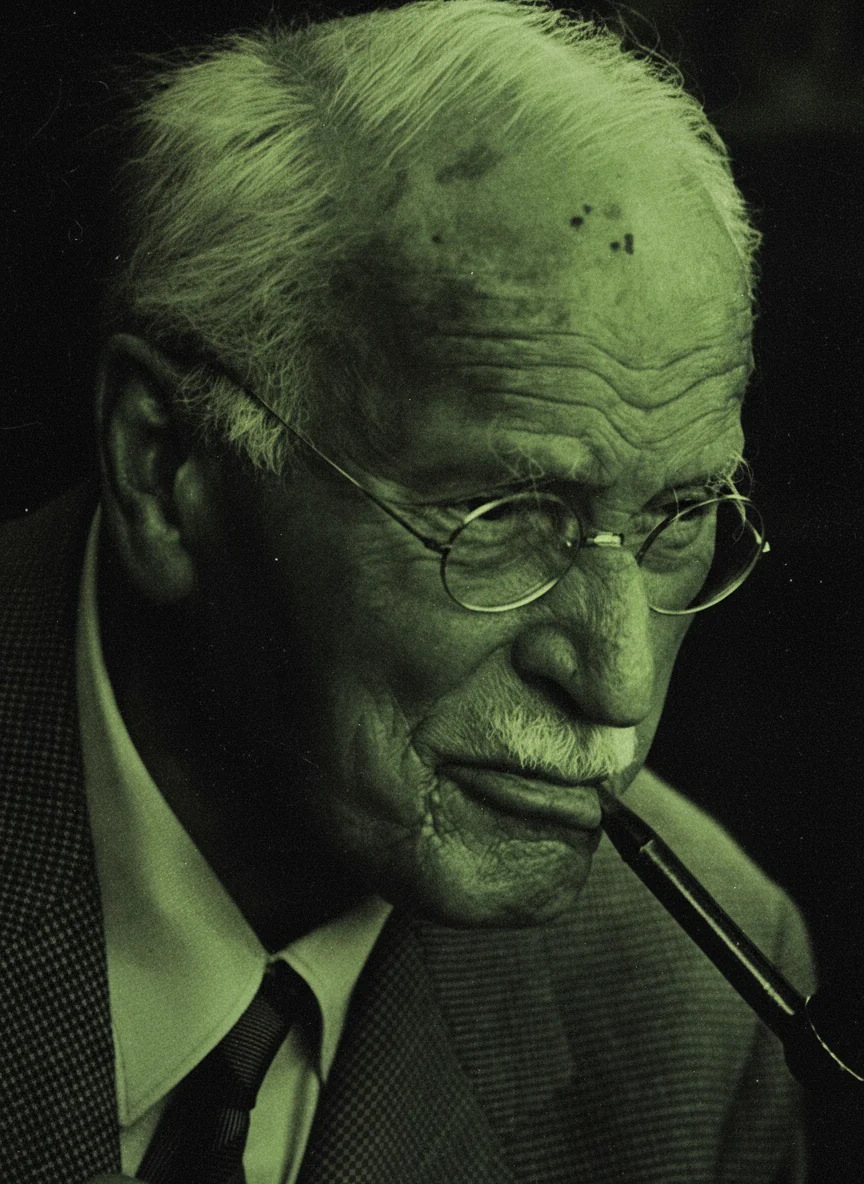
卡尔·荣格 - 同步性:非因果连接原则与《易经》序言
卡尔·荣格 (1949)
1949年,卡尔·荣格为理查德·威廉的《易经》德文译本撰写序言,凝固了他与这部神谕三十年的关系,并将他的同步性概念结晶化——有意义的巧合,一种在因果关系之外运作的非因果连接原则。 荣格面临深刻的内在冲突:受训为实证科学家,作为实践精神病医生受西方理性主义束缚,却深深被炼金术、神秘主义、集体无意识所吸引。《易经》成为他探索这种张力的方法——不是算命,而是心灵深层模式的镜子。他为患者、为自己、为理解内在与外在现实在无因果联系下对应的时刻而掷卦。 第六卦是讼(冲突)——天在上,水在下,力量向一个方向移动而危险向另一个方向流动。荣格体现了这一点:理性心智与神秘冲动相争,双方都不愿让步,但两者对他的贡献都至关重要。同步性从这种冲突中涌现——不是通过解决张力,而是通过认识到它是意义产生方式的根本。
Historical Context
- Period
- 周朝
- Oracle Bone Etymology
- 天(☰)在上,水(☵)在下——力量与光明在上,深度与危险在下,向相反方向移动。
- Traditional Use
- 讼卦描述内在不和,对立力量向不同方向拉扯。经典文本建议不要诉讼和将冲突推向结论——最好寻求调解,找到明智的中介,中途停止。
- Character Analysis
- 讼字(sòng)结合言(话语、言语)与公(公共、官方)——字面意思是公开辩论、法律争端、提交给权威的争论。冲突不是沉默的内在斗争,而是必须阐明其立场的对立力量。天与水自然分歧——一个上升,一个下降。卦象教导有些冲突不能被强迫解决。
- Energy State
- 创造之力向上升,深渊之深向下移。上卦越强,下卦下沉越深。相反的运动创造摩擦,张力无法解决。
- Trigram Symbolism
- ☰ 天(上卦)- 乾,力量,坚持,向上 ☵ 水(下卦)- 坎,危险,深度,向下 冲突源于相反本性向相反方向移动。
Sources
Lines
Line 1: 不永所事小有言終吉
不bùto avoid
永yǒngprolong
所suǒcertain
事shìaffairs
小xiǎothe small
有yǒuhave
言yánthings to say
終zhōngin the end
吉jíauspicious
Line 2: 不克訟歸而逋其邑人三百戶無眚
不bùnot being
克kècapable of
訟sòngcontending
歸guīone capitulates
而érand so
逋būtakes refuge
其qíone's own
邑yìhome town
人rénpopulation
三sānis
百bǎihundred
戶hùhouseholds
無wúavoid
眚shěngcalamities
Line 3: 食舊德貞厲終吉或從王事無成
食shíincorporating
舊jiùlong-standing
德dévirtues
貞zhēnin order to persist
厲lìdifficult
終zhōngbut in the end
吉jíauspicious
或huòas
從cóngpursuing
王wángsovereign
事shìaffairs
無wúno
成chéngachievement
Line 4: 不克訟復即命渝安貞吉
不bùnot being
克kècapable of
訟sòngcontending
復fùreturning
即jíto approach
命mìnga higher law
渝yúwithdraw
安ānto secure
貞zhēnthe certain
吉jígood fortune
Line 5: 訟元吉
訟sòngthe contest
元yuánis most
吉jípromising
Line 6: 或錫之鞶帶終朝三褫之
或huòsomebody
錫xīawards
之zhīone
鞶pánthe leather big
帶dàiand ribbons
終zhōngby the end of
朝zhāothe morning
三sānone will be three times
褫chǐstripped
之zhīof them
Practical Guidance
你是一名理性工程师,却不断遇到单凭逻辑无法解决的问题。在测试中完美运行的代码在生产中失败,原因调试器无法捕获。在纸面上看起来最优的团队产出平庸的工作。在分析上合理的决定感觉不对。
荣格的冲突:受训的科学家,实践的精神病医生,在西方实证主义中获得资格——但他患者的梦境不断引用他们从未遇到的符号,来自他们从未研究过的文化的神话。围绕心理突破聚集的巧合以概率无法解释的方式出现。理性框架说:忽略它,确认偏差,寻求模式的大脑。临床证据说:这里正在发生一些事情。
他无法通过选择一方来解决冲突。放弃实证主义会使他成为神秘主义者,而非科学家。忽视同步性模式会使他对数据视而不见。所以他按照第六卦的建议做了:中途停止。不要强迫解决。让冲突持续并看看从张力中涌现什么。
同步性涌现:在因果关系之外运作的有意义的巧合。不是神秘主义——一个他尽可能严格提出的原则,承认理性解释的局限同时保持对系统观察的承诺。《易经》成为他的方法:不是为了预测,而是为了映射心灵与当下的关系。当内在状态与外在环境在无因果联系下对应时,那就是同步性。
你的版本:可测量指标与感受经验之间的冲突。数据所说与你的直觉告诉你之间的冲突。最佳实践与情境判断之间的冲突。你不能为了另一个而放弃一个——你需要两者。
失败模式不是有冲突。失败模式是试图通过消除一方来解决它。纯粹理性主义使你对涌现属性、人为因素、不可测量之物视而不见。纯粹直觉使你草率、不一致、无法扩展。冲突是结构性的——自然分歧的对立力量。
荣格的洞察:有些冲突是生成性的。实证主义与神秘主义之间的张力产生了他最重要的工作。不是通过解决为综合,而是通过维持两极并探索中间发生的事情。那就是同步性生活的地方——在理性无法完全解释但经验证实的空间。
中途停止。不要将你的冲突强迫到过早解决。忽视所有直觉的工程师变成计算器。忽视所有数据的工程师变成赌徒。两者都不起作用。保持张力。让双方阐明其案例。看看从两者之间的空间涌现什么。
Transformations
When changing lines appear in a reading, this hexagram can transform into another.
Get an interactive reading with this hexagram
Try the Oracle →