Upper Trigram火
Lower Trigram泽
Judgment
睽kuíestrangement, divergence, polarization; odd
小xiǎo(in) little, small, minor, ordinary, common
事shìmatters, concerns, affairs, endeavors (are)
吉jípromising, auspicious, opportune, timely
睽,小事吉。
Image
上shàng(up) above; rises
火huǒ(is) (a, the) fire, flame; (the) fire, flame
下xià(and, while) (down) below; descends
澤zé(is) (a, the) lake, pool, pond, marsh
睽kuíestrangement
君jūn(a, the) noble, worthy, honored
子zǐyoung one, heir, disciple
以yǐaccordingly, therefore, thus
同tóngassociate, join, converge, concur, affiliate
而érbut (still), (and) yet (is also)
異yì(is) unique, separate, different, (a) strange(r)
上火下泽,睽;君子以同而异。
Fremen Ritual Combat
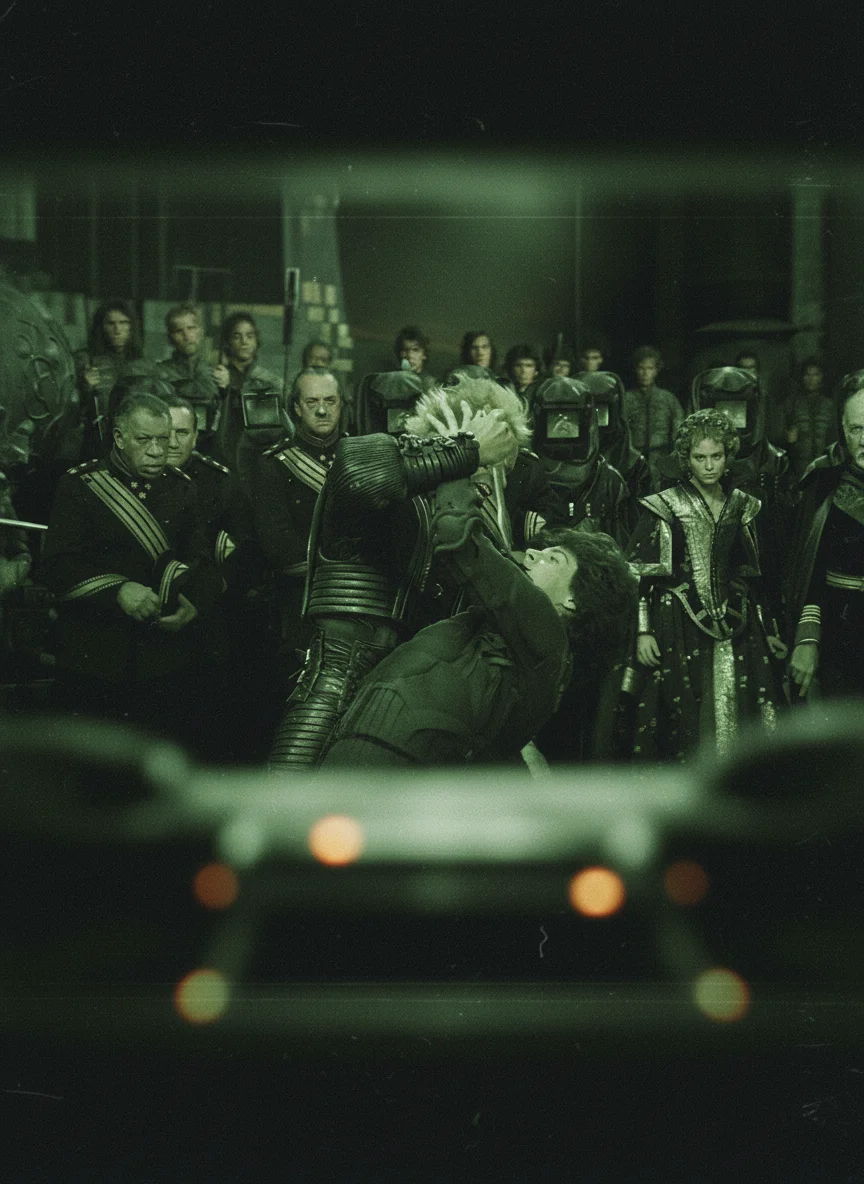
《Knife Fight》——Michael Jackson
迈克尔·杰克逊 & 昆西·琼斯 (1982)
1982年,迈克尔·杰克逊和昆西·琼斯在洛杉矶Westlake Recording Studios录制《Thriller》时——史上最畅销专辑——他们为专辑结局构思了一首名为'Knife Fight'的曲目:两个对立力量之间原始、刀刃对刀刃的对抗。曲目从未完成。概念太暴力,太直接,与专辑精致恐怖的叙事弧不符。但张力依然存在。 火在湖上——睽,对立。两姐妹,背道而驰——一个向上看(火),一个向下看(湖),却共享同一个家。杰克逊和琼斯在《Thriller》期间的合作关系是创造性睽的完美:杰克逊想要原始边缘,昆西想要流行完美。他们争吵。他们妥协。他们创造了历史。'Knife Fight'被放弃不是因为想法不好——而是因为对立太锋利,无法容纳在那个特定容器中。 但对立产生张力,张力产生能量,能量产生艺术。小事吉——在小事上,对立是吉利的。不是刀战,而是《Thriller》、《Beat It》、《Billie Jean》——将杰克逊的原始本能与昆西的精致制作融合的曲目。火和湖,分离但对话。永远不会合并。总是创造。
Historical Context
- Period
- 周朝
- Traditional Use
- 1982年,在洛杉矶Westlake Recording Studios,迈克尔·杰克逊和昆西·琼斯正在完成《Thriller》——将成为史上最畅销专辑的作品。会话充满创造性张力:杰克逊想要原始、奇怪、边缘的东西。昆西想要流行、精致、完美的东西。他们在每个曲目上争吵。他们在编排上妥协。他们在混音上战斗。他们创造了历史。 在一次头脑风暴会议中,他们构思了'Knife Fight'——两个对立力量之间原始、刀刃对刀刃的对抗作为专辑结局。太暴力。太直接。与专辑精致恐怖的叙事弧不符。曲目被放弃。但对立依然存在,引导到《Beat It》(街头斗殴转化为舞蹈)和《Thriller》(恐怖成为奇观)。火和湖——永远分离,永远对话,从张力本身创造。
- Character Analysis
- 'Knife Fight'体现了火泽睽——对立、分离、不同元素之间的创造性张力。火向上燃烧,泽向下流——两姐妹,同居但看向相反方向。迈克尔·杰克逊的原始艺术本能和昆西·琼斯的流行完美主义在《Thriller》会话期间发生冲突:一个想要边缘,另一个想要可访问性。'Knife Fight'概念太锋利——字面的刀刃对刀刃对抗——无法与专辑精致的恐怖平衡。但放弃它是智慧:睽意味着在小事上找到对齐,同时在大事上保持分离。他们丢弃了刀战,但保留了张力,将其引导到《Beat It》、《Thriller》——对立产生艺术的曲目。火和湖不必合并才能创造。
- Energy State
- 火在上,泽在下——对立、分离、不同方向。两姐妹同居但看向相反方向。
- Trigram Symbolism
- ☲ 火(上卦)- 离,向上燃烧 ☱ 泽(下卦)- 兑,向下流动 对立产生创造性张力,不必合并才能创造。
Sources
- 《易经》第38卦,火泽睽
- 昆西·琼斯,《Q:自传》
- 迈克尔·杰克逊,《Moonwalk》
- Bruce Swedien,《在录音室与迈克尔·杰克逊》
Lines
Line 1: 悔亡喪馬勿逐自復見惡人無咎
悔huǐregret(s)
亡wángpass
喪sàng(a
馬mǎhorse
勿wùdo not
逐zhú(be) pursue
自zì(and) of
復fù(it) returns
見jiàn(to
惡è(the) evil
人rén(in) people
無wúis not
咎jiùto blame
Line 2: 遇主于巷無咎
遇yùmeeting (with)
主zhǔ(a
于yúin
巷xiàngalley
無wúno
咎jiùblame
Line 3: 見輿曳其牛掣其人天且劓無初有終
見jiànseeing
輿yú(a
曳yì(being) held up
其qíits
牛niúoxen
掣chèhindered
其qíits
人rénoccupant's
天tiānhead shaved (bald to heaven)
且qiěand (even
劓yì(his
無wúregardless of
初chū(a
有yǒu(but) there is
終zhōng(a
Line 4: 睽孤遇元夫交孚厲無咎
睽kuíestranged
孤gū(and) (all) alone
遇yùmeet
元yuán(a
夫fū(gentle)man
交jiāoexchange
孚fú(in
厲lì(the) difficulty
無wú(is) not
咎jiù(a) wrong(ness)
Line 5: 悔亡厥宗噬膚往何咎
悔huǐregret(s)
亡wángpass
厥juéits
宗zōngkind
噬shìeat
膚fū(soft
往wǎng(in) going
何héwhere is
咎jiù(the) blame
Line 6: 睽孤見豕負塗載鬼一車先張之弧後說之弧匪寇婚媾往遇雨則吉
睽kuíestranged
孤gū(and) (all) alone
見jiànseeing
豕shǐ(a) pig
負fùcovered
塗túfilth
載zàihaul
鬼guǐdemons
一yī(and
車chēwagon
先xiān(at) first
張zhāngstretch
之zhīhis
弧hú(long)bow
後hòu(and
說shuōrelaxing
之zhīhis
弧hú(long)bow
匪fěiit
寇kòu(a
婚hūn(but) (a) marital
媾gòusuitor
往wǎngin going
遇yùgreet
雨yǔ(the) rain
則zé(and
吉jípromising
Practical Guidance
当你与合作者发生冲突时,当对立力量威胁要撕裂项目时,记住杰克逊和昆西的睽:火和湖不必合并才能创造。两姐妹,同居但看向相反方向——这不是要解决的问题,而是要引导的张力。小事吉——在小事上找到对齐:共同愿景、共同目标、共同截止日期。在大事上保持分离:你的原始边缘,他们的精致完美。
放弃刀战。保留张力。如果一个想法太锋利,太对立,无法容纳——像'Knife Fight'本身——放弃那个特定容器。但不要解决对立本身。将其引导到可以生存的形式:《Beat It》而不是刀战,舞蹈而不是暴力,奇观而不是恐怖。君子以同而异——君子统一同时保持差异。
火向上,湖向下。它们永远不会占据同一空间。它们不必。从分离创造。从张力创造。从永远不会解决的对立创造。像杰克逊和昆西:争吵,妥协,创造历史。火和湖,分离但对话,从睽本身产生《Thriller》。
Transformations
When changing lines appear in a reading, this hexagram can transform into another.
Get an interactive reading with this hexagram
Try the Oracle →