Hexagram 17:

suí following; succeed, comply, going along

By Augustin Chan · Last updated 2025

Upper TrigramLake
Lower TrigramThunder

Judgment

suífollowing; succeed, comply, going along
yuánmost; first-rate, supreme, excellent
hēngfulfilling; fulfillment, satisfaction, success
worthwhile, rewarding, beneficial
zhēnto be persistent, loyal, dedicated, steadfast
no; not; nothing; without, with no; avoid
jiùblame; wrong; mistake, error

Following has supreme success. Perseverance furthers. No blame. To obtain following, one must first know how to adapt. To rule one must first learn to serve.

Image

a lake, pool, pond, marsh
zhōngwithin, inside; in the middle, midst of
yǒuis, there is
léithunder
suífollowing
jūnnoble, worthy, honored
young one, heir, disciple
accordingly, therefore, thus
xiàngat, towards; approach, face, nearing
huìnightfall, dusk, dark, darkness, twilight
goes indoors, inside, within
yànto dine, feast; for leisure, refreshment, quiet
and relax; rest; relaxation, repose, pause

Thunder in the middle of the lake: the image of Following. Thunder in winter rest. Thus the superior man at nightfall goes indoors for rest and recuperation. No situation becomes favorable until one adapts to it.

Cultural Artifact
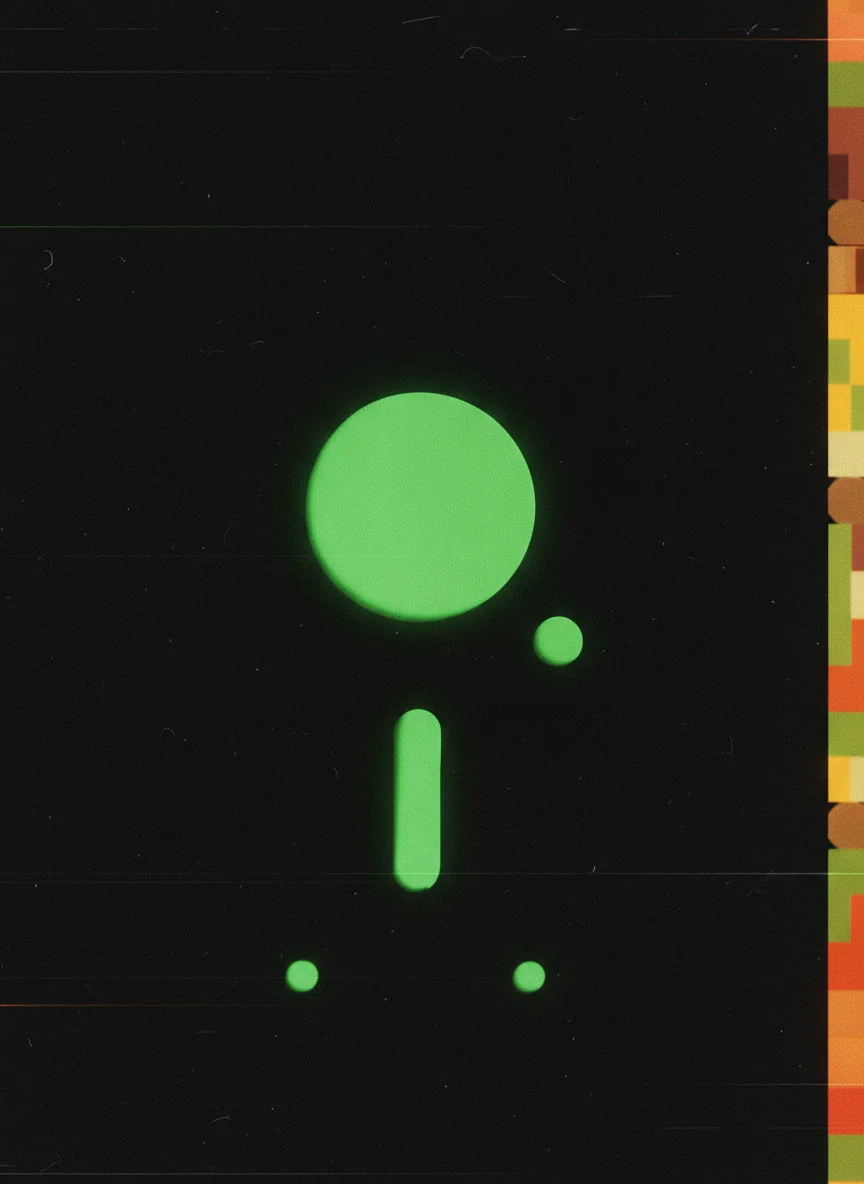
Hexagram 17 digital artifact

New Order - Blue Monday and the Adaptation to Dance

New Order (Sumner, Hook, Morris, Gilbert) / Factory Records (1983)

When Ian Curtis died in May 1980, Joy Division faced extinction. The remaining members—Bernard Sumner, Peter Hook, Stephen Morris—could have tried replacing Curtis, recreating Joy Division's sound. Instead they adapted. They formed New Order, following where the music led rather than clinging to what had worked. Lake above Thunder—joy in movement inducing following. They'd been exploring electronics (Curtis bought a synth just before his death). They'd been going to Manchester clubs, hearing Hi-NRG, Italo disco, Kraftwerk-influenced dance music. So they followed that direction. 'Blue Monday' emerged in 1983: seven minutes, no guitars, pure sequencers and drum machines. The bestselling 12-inch single of all time—but it nearly bankrupted Factory Records because Peter Saville's elaborate die-cut sleeve cost more than the sale price. Hexagram 17 (Following) teaches adaptation to demands of time. New Order embodied this: post-punk band following electronic dance music, younger form leading elder tradition somewhere unprecedented. The adaptation wasn't betrayal—it was survival and transformation.

Historical Context

Period
Zhou Dynasty
Oracle Bone Etymology
Lake (☱) above, Thunder (☳) below—joyous above, arousing movement below. Joy in movement creates following. The elder yields to the younger.
Traditional Use
The classical text describes adaptation to the demands of time. To rule one must first learn to serve. Following requires knowing when to lead and when to adapt. Thunder in the middle of the lake—winter rest, not summer storm.
Character Analysis
The character 隨 (suí) means to follow, to adapt, to go along with. Lake (joy) above Thunder (movement)—finding joy in following where movement leads. New Order: established post-punk musicians (elder) adapting to electronic dance music (younger), following the demands of time rather than resisting change.
Energy State
Following through adaptation, joy in movement creating willing response. Lake rests on thunder—arousing energy bringing joyful adaptation.
Trigram Symbolism
☱ Lake (Upper) - The Joyous, adaptable, receptive ☳ Thunder (Lower) - The Arousing, movement, change Joy in movement induces following—adaptation to change creates success.

Sources

Lines

Line 1: 官有渝貞吉出門交有功

guānthe standards
yǒuwill
change
zhēnpersistence
promising
chūleaving
ména outer gate
jiāoto communicate
yǒuhas
gōngmerit

Line 2: 係小子失丈夫

attached
xiǎoa little
child
shīlosing
zhàngthe senior
gentleman

Line 3: 係丈夫失小子隨有求得利居貞

attached
zhàngthe senior elder
gentleman
shīlosing
xiǎoa little
child
suífollow
yǒuassumes
qiúa quest
gain
worthwhile
to abide in
zhēnpersistence

Line 4: 隨有獲貞凶有孚在道以明何咎

suífollow
yǒuhas
huòsuccess
zhēnpersistence
xiōngunfortunate
yǒube
true
zàion
dàoa way
in order to be
míngclear
where is
jiùthe blame

Line 5: 孚于嘉吉

trust
in
jiāexcellence
promising

Line 6: 拘係之乃從維之王用亨于西山

seize
and bind
zhīthem
nǎiand then
cóngfollow
wéiholding fast
zhīthem
wángthe Sovereign
yòngwill make
hēngfulfillment
to
西the Western (the site of the Zhou
shānMountain ancestral shrine)

Practical Guidance

The situation changed and your old approach doesn't work anymore. The founder left. The technology shifted. The market evolved. The team transformed. You can resist the change and die slowly, or you can adapt and discover what becomes possible. New Order in 1980: Joy Division's remaining members facing the end. Ian Curtis dead at 23, the band's entire identity built around his voice, his lyrics, his presence. They could have found a replacement vocalist, tried to recreate the Joy Division sound. That's what most bands do—hire the tribute act, keep the machine running. Instead they adapted. They formed New Order, and critically: they followed where the music was actually leading rather than where nostalgia demanded. They'd been going to Manchester clubs—The Haçienda, Factory's nightclub experiment. They'd heard Hi-NRG, Italo disco, Kraftwerk's influence on dance floors. They'd noticed Curtis had bought a synthesizer just before his death. So they followed that thread. Guitars receded, sequencers emerged, drum machines replaced live drums on some tracks. 'Blue Monday' in 1983: seven minutes of pure electronic dance music. No Curtis vocals, no post-punk guitars, no connection to Joy Division's sound except the personnel. The bestselling 12-inch single of all time—14 million copies. It nearly bankrupted Factory Records (Saville's die-cut sleeve cost more to produce than the sale price), but it proved the adaptation worked. Hexagram 17 teaches: to rule one must first learn to serve. Translation for your startup: to lead the market, you must first serve what the market is actually demanding, not what you wish it demanded. New Order could have insisted on post-punk purity—we're a guitar band, we do dark atmospheric rock. The market was moving toward electronic dance. They adapted, and the adaptation created a decade of success in territory Joy Division could never have accessed. The classical text: thunder in winter rest, not summer storm. The superior man goes indoors for recuperation. New Order took time after Curtis's death—they didn't rush a Joy Division replacement album. They rested, explored, let the new direction emerge organically. When they returned, they'd transformed. Your version: the product direction that worked for early adopters isn't resonating with mainstream users. The framework you built on got deprecated. The team dynamics shifted when key people left. You can insist on the original vision and watch traction decline, or you can adapt to what's actually working. The critical distinction: adaptation isn't abandoning principles—it's changing implementation while maintaining core purpose. New Order's principle: make emotionally resonant music that matters. Joy Division's implementation: post-punk intensity with Curtis's baritone. New Order's implementation: electronic dance with Bernard's higher register and sequenced precision. Principle held, implementation adapted. The classical text warns: 'No situation can become favorable until one is able to adapt to it and does not wear oneself out with mistaken resistance.' Mistaken resistance is trying to make Joy Division 2.0. Adaptation is recognizing what the moment requires and following it there. Bernard Sumner had to become a vocalist—uncomfortable, not his original role, but necessary. He adapted. The band adapted. The adaptation created 'Blue Monday,' 'True Faith,' 'Bizarre Love Triangle'—success in a completely different register. You're facing changed circumstances. The old approach isn't working. You can resist and exhaust yourself, or you can follow where the situation is actually leading. Adapt. Find joy in the movement. See where it takes you. The elder yielding to the younger isn't weakness—it's the only path to survival when conditions fundamentally shift.

Transformations

When changing lines appear in a reading, this hexagram can transform into another.

Get an interactive reading with this hexagram

Try the Oracle →